
Chin, Jawline & Neck Hair
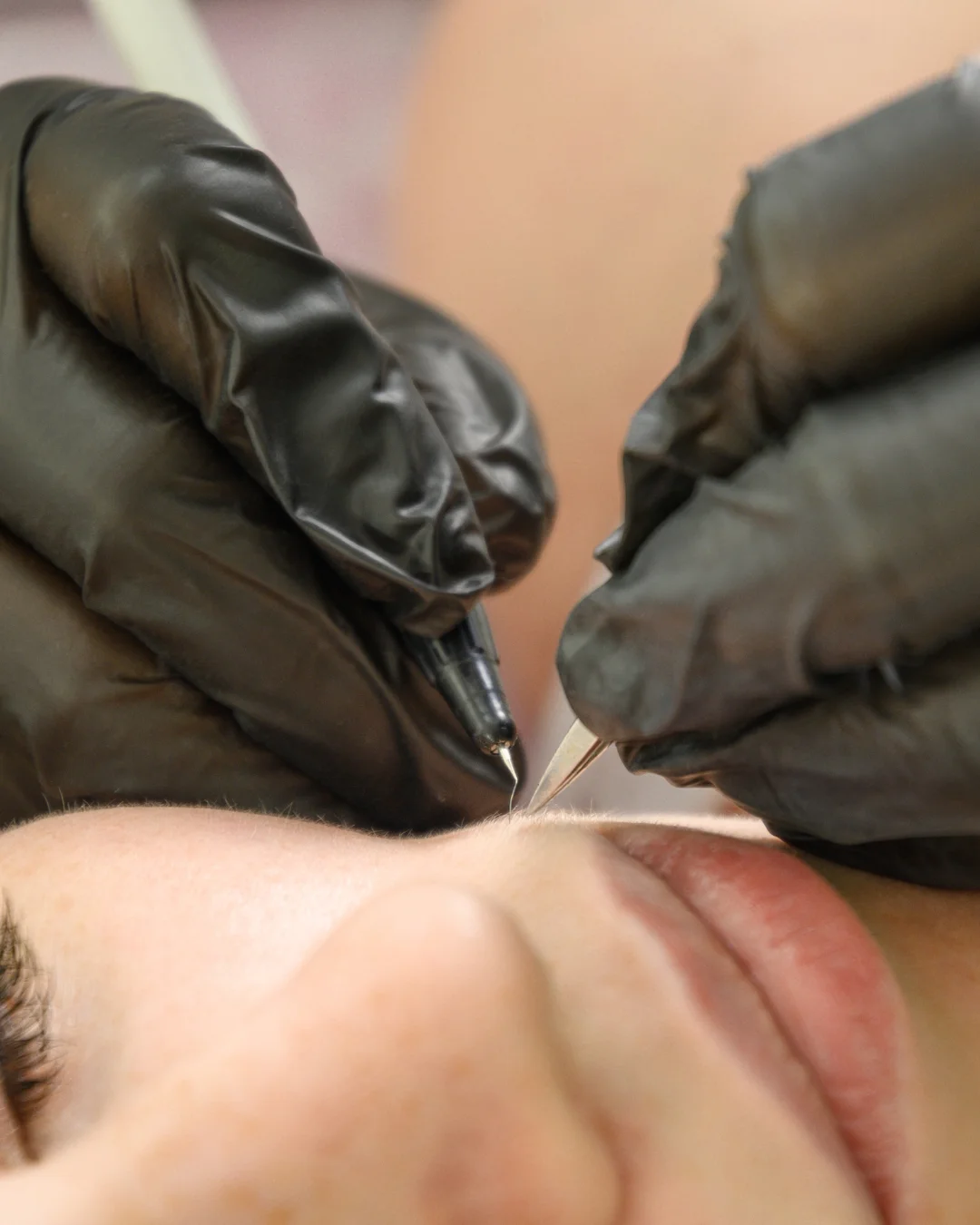
Electrolysis can remove unwanted facial or neck hair, including hair growth associated with hormonal changes. It addresses the hair, not an underlying hormonal condition such as PCOS.
Hormone-related hair growth
Electrolysis treats unwanted hair one follicle at a time. A fine probe is placed into each follicle and a controlled electrical current treats its hair-growth cells. Unlike laser hair removal, electrolysis does not rely on hair pigment, so it may be an option for light, grey, red, and dark hair. Your electrologist can assess the area, discuss suitability, and recommend a treatment plan.
Pricing
From $55 / Session
Duration
15–90 Mins
Clinic
North Vancouver
Session Duration
15 to 90 Minutes
Precision per-follicle epilation
Recommended Course
Multi-Session Series
Results and treatment needs vary
Treatment Sensation
Sensation Varies
Warmth, tingling, or pinching may be felt
Recovery & Downtime
Temporary Skin Reactions
Redness or sensitivity may occur
Electrolysis treats individual follicles with a fine probe and controlled electrical current. At Parsa Wellness, treatment planning considers your goals, the area being treated, and your comfort.
Follicle by follicle
A fine probe is placed into each follicle and a controlled electrical current treats its hair-growth cells. A course of appointments is usually needed to address hairs as they enter active growth.
For a range of hair colours
Unlike laser hair removal, electrolysis does not depend on pigment in the hair. It may be considered for blonde, red, grey, white, and dark hairs, subject to an individual assessment.
Precision for defined areas
Each target follicle is treated individually, allowing focused work on smaller areas or scattered hairs. Your provider will review the treatment area and approach with you before starting.
Experienced, individualized care
Mitra is a certified electrologist with 18 years of experience. Treatment planning considers your goals, hair characteristics, treatment area, and comfort.
The Electrolysis Process
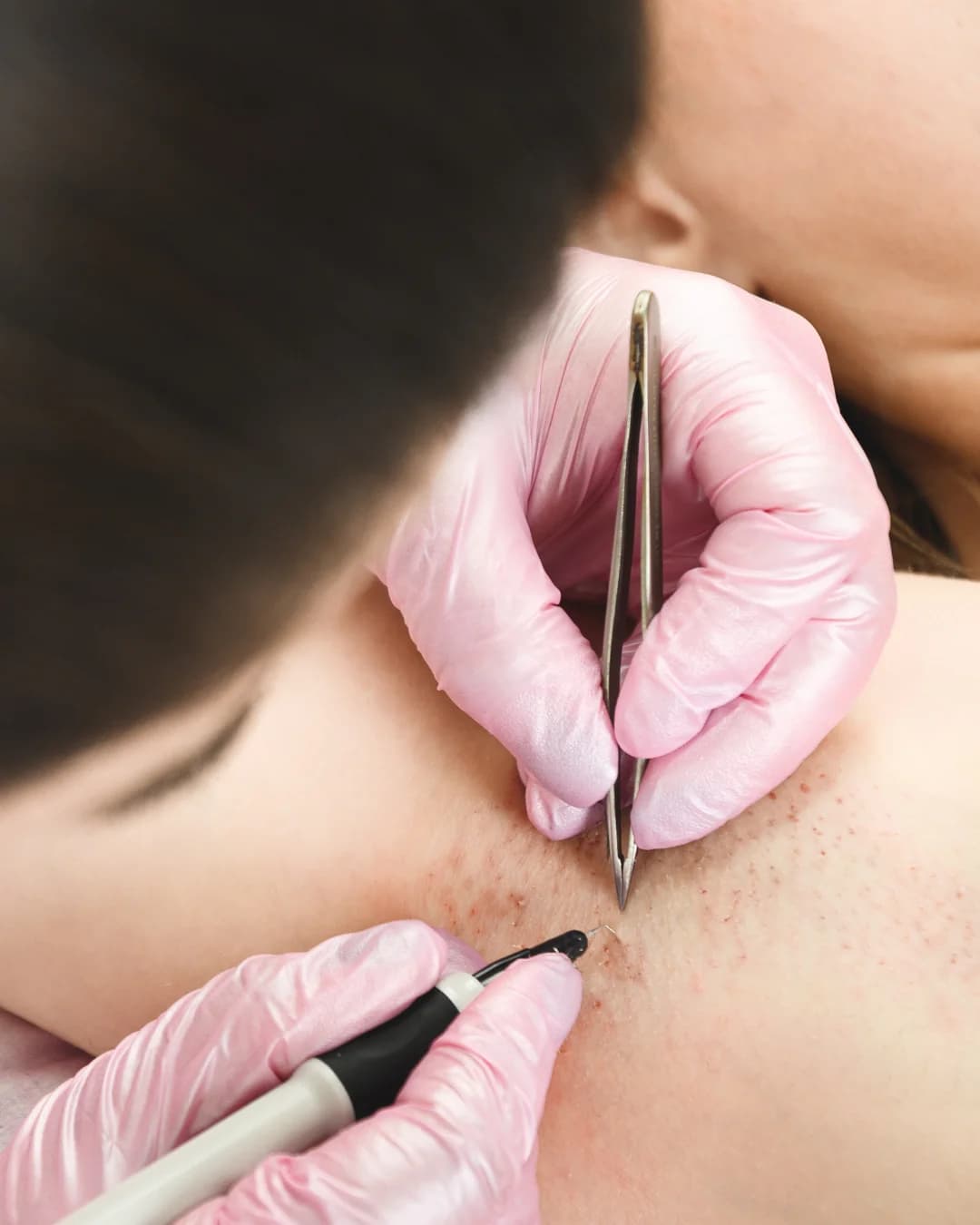
A fine probe follows the hair into its follicle, where a controlled electrical current treats the cells responsible for growth. Parsa Wellness uses thermolysis, a method that creates localized heat in the follicle. The process is precise and does not depend on hair pigment.
01 · Probe placement
The electrologist guides a fine sterile probe into the follicle alongside the hair shaft.
02 · Controlled current
Thermolysis uses high-frequency alternating current to create heat in the targeted follicle tissue.
03 · Hair release
After the follicle is treated, the hair is lifted with forceps. The sensation and response can vary by person and area.
04 · A series over time
Hair grows in cycles, so multiple appointments are usually planned to treat hairs at different growth stages.
Treatment Areas
Electrolysis treats unwanted hair one follicle at a time and does not rely on hair pigment. Explore common treatment areas and concerns; suitability, expected timing, and aftercare are reviewed during a consultation.
Electrolysis can remove unwanted facial or neck hair, including hair growth associated with hormonal changes. It addresses the hair, not an underlying hormonal condition such as PCOS.
Hormone-related hair growth
Electrolysis treats individual hairs and may be considered for detailed areas such as the brows. Your electrologist can assess the area and discuss an appropriate approach.
Follicle-by-follicle precision
Because electrolysis works directly in the follicle rather than relying on hair pigment, it may be an option for light, grey, red, or white hairs. Suitability can be discussed at consultation.
Does not rely on hair pigment
Individual hairs can be treated in areas such as the upper lip. Your electrologist can explain expected appointment timing and aftercare for the area being treated.
Targeted treatment for finer hairs
Electrolysis may be considered for residual hairs after laser hair reduction, including scattered or lighter hairs. A consultation can help determine whether it suits your goals.
For scattered or lighter regrowth
Electrolysis does not use light to target hair pigment, but tattooed skin should be assessed individually before treatment. Your electrologist can review the tattoo and treatment area with you.
Assessment before treatment
Transparent Session Pricing
Sessions start at $55 for 15 minutes, then add $10 for each additional 5 minutes. The rates below show common session lengths up to 90 minutes.
Session length
Per session · CAD
15 Minutes
A small area or a few hairs.
20 Minutes
A small, focused area.
30 Minutes
One or two focused facial areas.
45 Minutes
A larger facial area or denser growth.
60 Minutes
Extended work across one or more areas.
75 Minutes
A broad area or additional coverage.
90 Minutes
A longer appointment across multiple areas.
Planning your first session?
Discuss the treatment area and choose a starting session length with your provider.
Parsa Wellness uses thermolysis, one of several electrolysis methods. The cards explain the type of current it uses, how that current acts in the follicle, and how thermolysis differs from other methods.
Thermolysis uses high-frequency alternating current delivered through a fine probe positioned in the follicle.
The current creates friction and heat in tissue around the probe. This thermal effect treats tissue and cells involved in hair growth.
Galvanic electrolysis uses direct current and a chemical reaction. Thermolysis uses alternating current and heat; blend combines both methods.
Modality Comparison
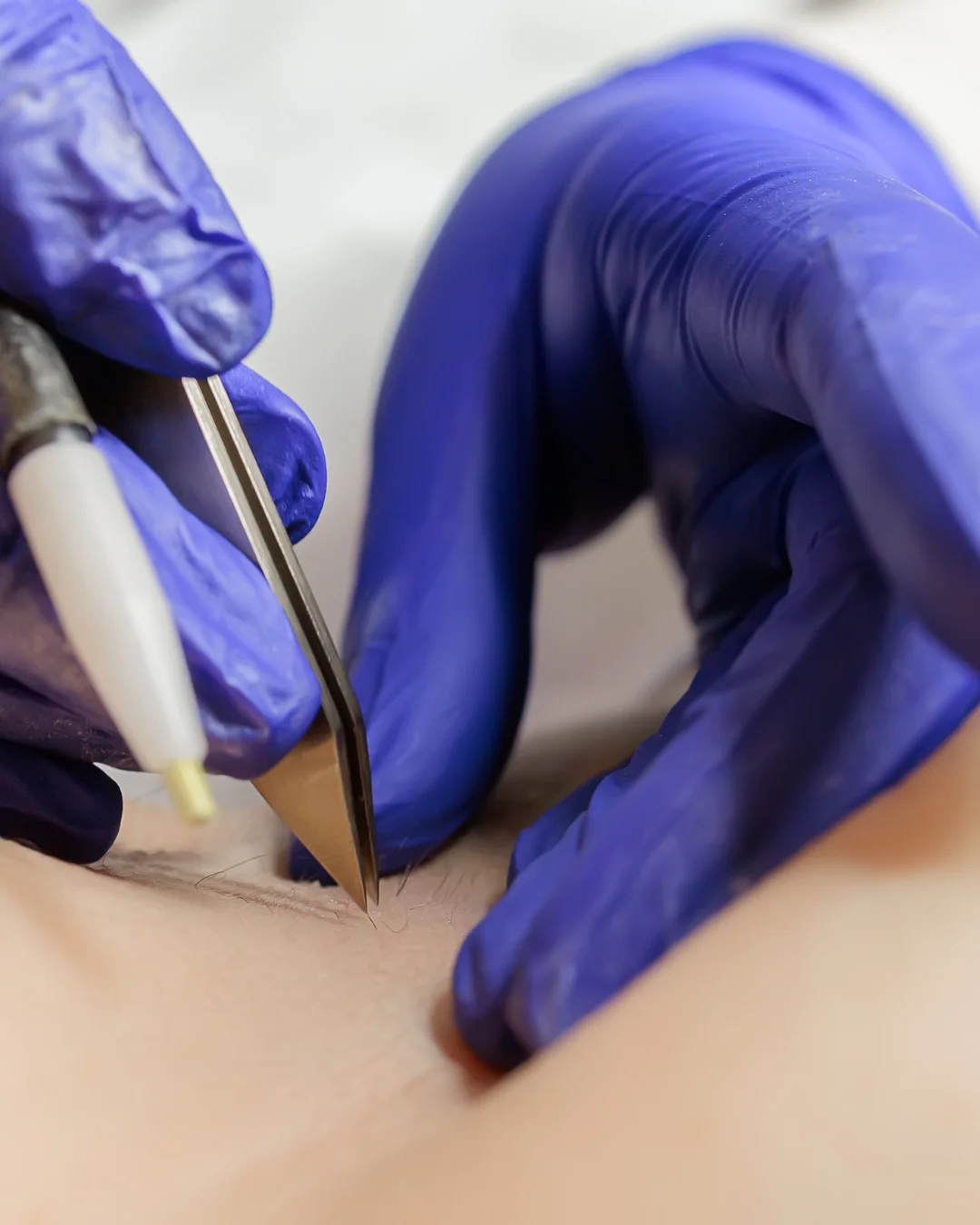
Compare how these methods work, hair-colour considerations, typical outcomes, and appointment patterns. Suitability and results vary by person and treatment area; laser outcomes also depend on the device.
| Comparison Parameter | Electrolysis | Laser Hair Reduction | Temporary removalWaxing or Threading |
|---|---|---|---|
| How it works | Electrical current treats individual follicles through a fine probe. | Light energy targets pigment in the hair follicle. | Wax or thread grasps and pulls hair out from the root. |
| Hair-colour considerations | Does not rely on hair pigment; may be used on different hair colours. | Generally works best on pigmented hair; blonde, red, grey, or white hair may respond less well. | Hair colour does not determine whether hair can be removed. |
| Area coverage | Treats follicles individually; useful for focused or scattered hairs. | Treats a broader area; coverage depends on the device and treatment area. | Waxing can cover larger patches; threading is often used on smaller areas. |
| Typical outcome | A permanent hair-removal method; results and treatment needs vary. | Long-term hair reduction may occur; results vary and maintenance may be needed. | Temporary hair removal; regrowth is expected. |
| Appointment pattern | Individual follicles are treated over a series of appointments. | Multiple sessions are commonly needed; appointment length depends on the area. | Repeated as hair regrows; timing varies by person and area. |
Before & After Treatment
Your provider will tailor instructions to your treatment area and review any health or skin factors that may affect suitability or recovery.
Common Questions
Have questions about timing, sensation, or treatment areas? We can explain what to expect and help you plan a consultation.
With electrolysis, your electrologist uses electrical current to treat individual follicles. It is a method of permanent hair removal, but you may need a series of appointments as hairs grow in cycles. Your plan and results depend on the area, hair growth, and your response to treatment.
With electrolysis, your electrologist applies electrical current to individual follicles. Laser hair reduction uses light to target pigment in the hair. If you have light, grey, red, or white hair, electrolysis may be an option because it does not rely on pigment. Both methods can require multiple appointments; your electrologist can discuss what may suit your hair and treatment area.
Sessions are priced in Canadian dollars and start at $55 for 15 minutes, with $10 for each additional 5-minute increment. For example, a 30-minute session is $85, a 60-minute session is $145, and a 90-minute session is $205. If you are unsure how much time to book, we can help you choose a starting session based on the area you want treated.
You may feel brief warmth, tingling, or pinching as the current is applied. Sensation varies by person and treatment area. Let your electrologist know if you feel uncomfortable so they can discuss comfort options with you. Ask us before your appointment if you want to know whether topical numbing is available and appropriate for your treatment.
Hair grows in cycles, so not every hair is at the same stage during one appointment. You will likely need multiple sessions to treat hairs as they become accessible for treatment. The number and timing of appointments depend on the area, hair growth, and your response; we can review a plan with you and adjust it over time.
Electrolysis can remove unwanted hairs individually and may be an option when hair growth is associated with PCOS or other hormonal changes. It does not treat the hormonal cause, and new hair growth may continue. We can assess the treatment area and explain what electrolysis may address.
Electrolysis uses electrical current rather than light aimed at tattoo pigment. Tattooed skin should still be assessed before treatment. Your electrologist can review the tattoo and treatment area with you and discuss whether treatment is appropriate.
Your electrologist may ask you to pause tweezing, waxing, or threading so the hairs are visible and accessible during treatment. Follow their guidance on how long to wait, since preparation can vary by area and hair growth. If you are unsure what to do before your appointment, contact us for instructions.
Explore other services in Hair Removal (Laser & Electrolysis). A provider can help you understand which options may be appropriate for your concerns and goals.
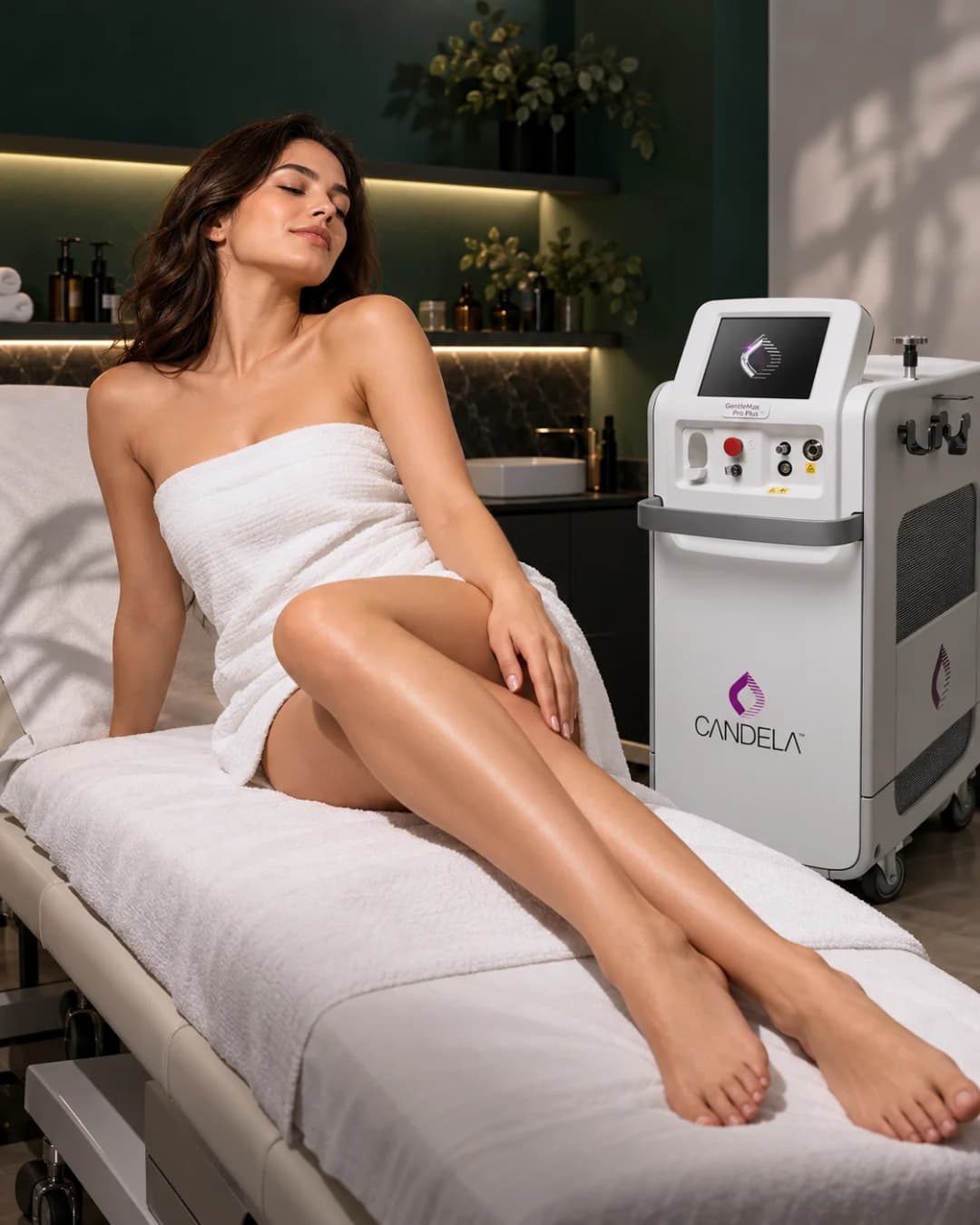
Experience long-lasting hair reduction with Candela GentleMax Pro Plus. This advanced dual-wavelength laser targets unwanted facial and body hair across various skin tones, helping reduce regrowth, ingrown hairs, and irritation for smoother skin.
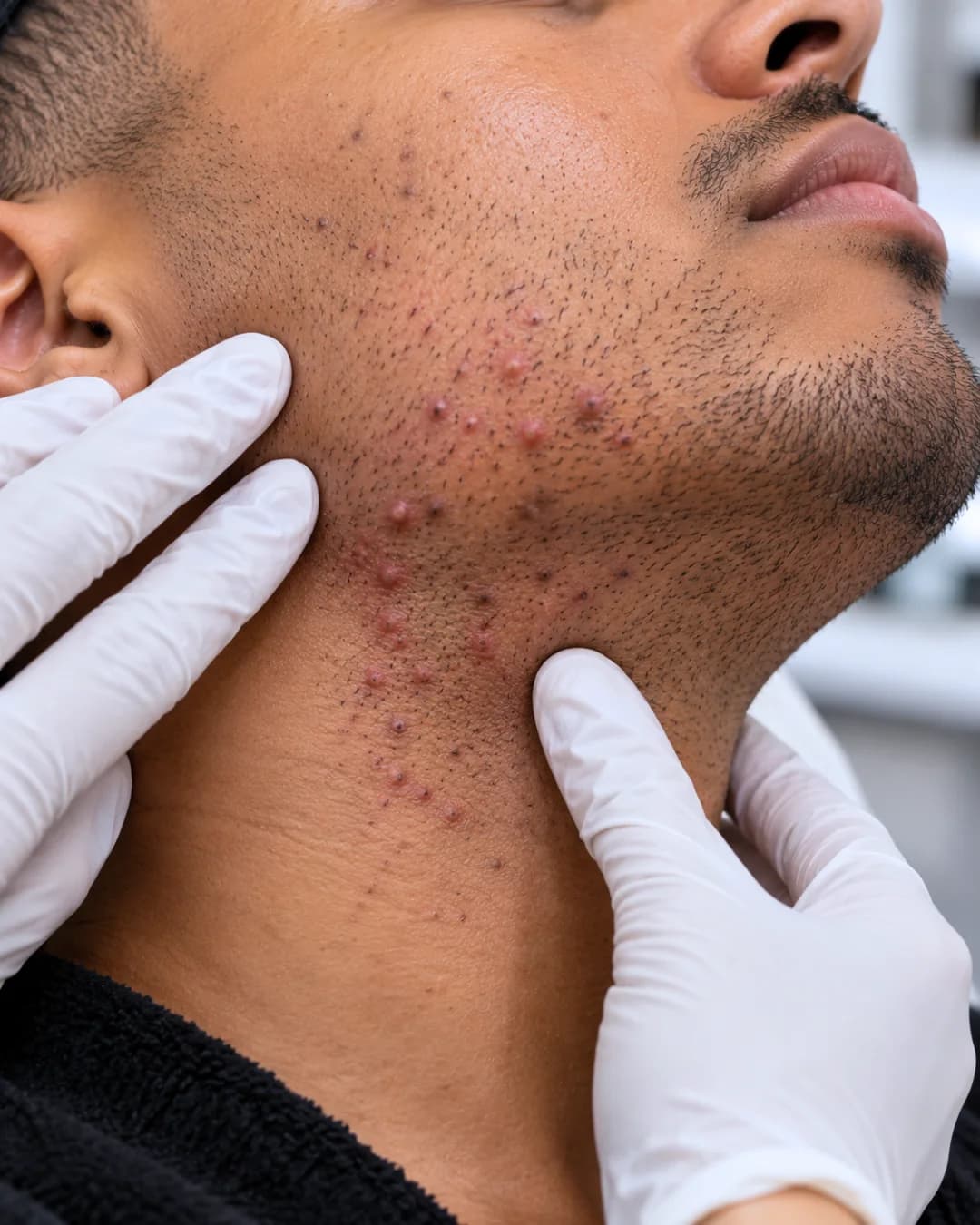
Manage recurring ingrown hairs and shaving-related irritation with Aerolase Neo Elite laser technology. By targeting hair follicles, this treatment helps reduce unwanted hair growth and associated razor bumps, supporting smoother, more comfortable skin.
100% Permanent Epilation
Schedule your consultation with specialist Mitra at Parsa Wellness Clinic in North Vancouver today.