Skin Tags (Acrochordons)
Skin tags are common, harmless growths that frequently develop on the neck, underarms, eyelids, and areas exposed to friction. Selected skin tags may be treated with Plexr® plasma following clinical assessment.
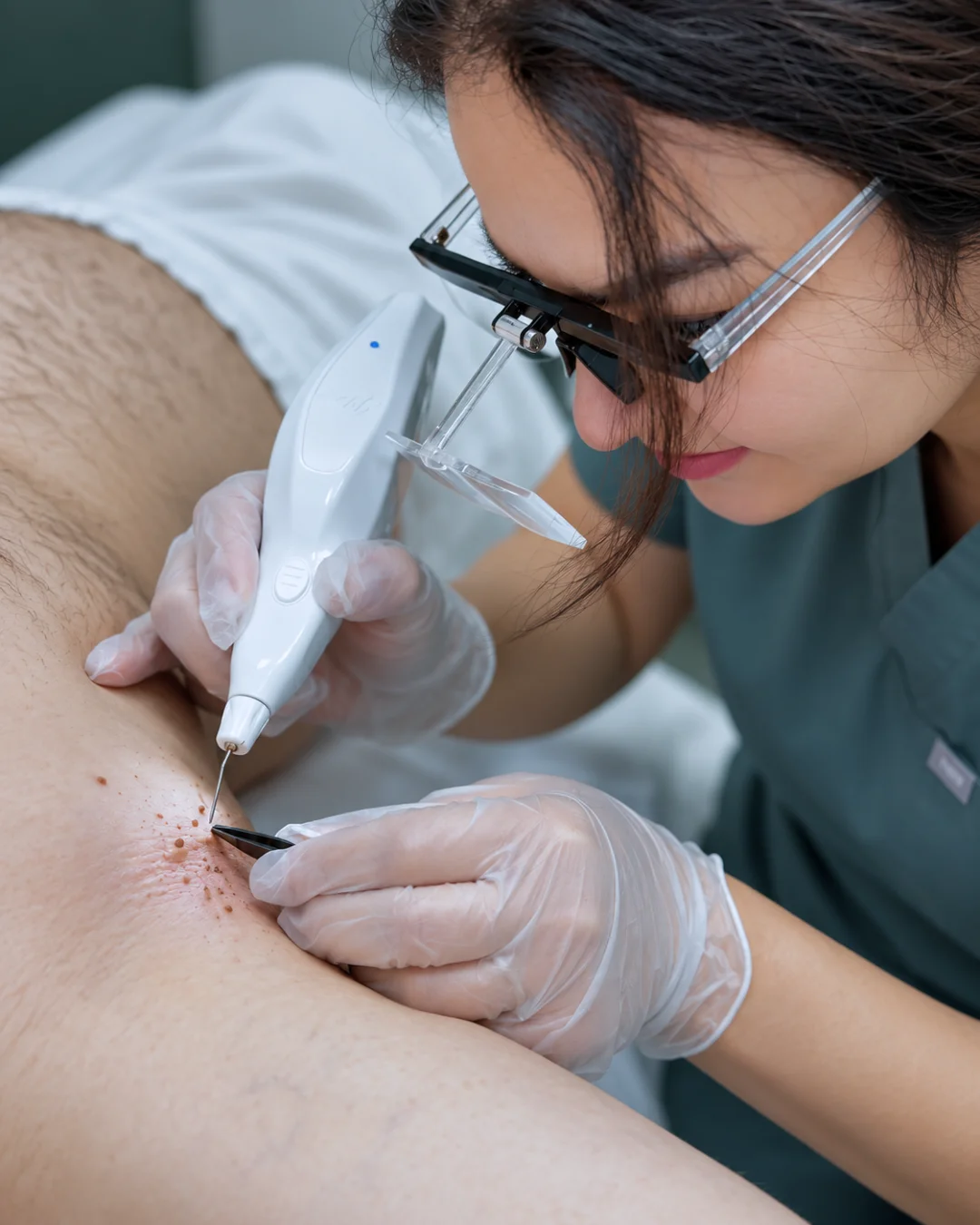
Remove unwanted skin tags and selected benign skin lesions with Plexr® Plus plasma technology at Parsa Wellness Clinic in North Vancouver. This minimally invasive treatment uses targeted plasma energy to treat superficial skin growths without traditional surgical incisions or stitches. Each lesion is assessed before treatment to determine the most appropriate approach.
Pricing
Starting at $150
Duration
15–30 Minutes
Clinics
North Vancouver
Session Duration
15 to 30 Minutes
Time varies by lesion and treatment plan
Recommended Course
Often One Session
Many lesions can be treated in one session; recurrence is possible
Treatment Sensation
Generally Well Tolerated
Topical or local anesthesia may be used when appropriate
Recovery & Downtime
Initial Healing: 7–14 Days
Small crusts may form and shed within approximately 1–2 weeks
Our clinical team evaluates each lesion before treatment. Dermoscopy may be used when appropriate, and lesions requiring further medical investigation are referred for appropriate assessment.
Every Lesion Assessed First
Our clinical team evaluates each lesion before treatment. Dermoscopy may be used when appropriate to examine suspicious features. Lesions requiring further medical investigation are referred for appropriate assessment rather than cosmetic removal.
Non-Surgical, Targeted Treatment
Plexr® Plus generates controlled plasma energy to treat selected superficial skin lesions. The procedure does not require traditional surgical incisions or stitches, although temporary crusting and localized skin reactions may occur.
Targeted Treatment of Superficial Lesions
Plasma technology allows controlled treatment of selected skin growths. Healing outcomes depend on lesion characteristics, treatment depth, skin type, and aftercare. Scarring and pigmentation changes remain possible.
Individualized Anatomical Assessment
Plexr® may be suitable for selected lesions on areas such as the neck and surrounding facial skin. Treatments near the eyes require additional precautions and careful assessment to determine suitability.
Plasma Physics
Plexr® Plus creates a controlled plasma arc that applies energy to selected superficial lesions. The steps below explain how treatment works and how the skin heals afterward.
Plexr® generates a small plasma arc by ionizing gases in the air between the device tip and the skin, allowing controlled application of energy to the treatment area.
Plasma energy produces a localized thermal effect that removes or contracts superficial tissue. Treatment depth and surrounding tissue response depend on the technique and lesion characteristics.
Plasma energy produces a localized thermal effect and may help coagulate small superficial blood vessels. Minor bleeding, redness, swelling, or crusting can still occur.
Small crusts may develop over treated areas as the skin heals. These typically separate naturally within approximately 7–14 days, although recovery varies depending on the treatment area and depth.
Treatment Pricing
Explore our skin tag and benign lesion removal pricing in Canadian dollars. Treatment costs vary depending on lesion type, size, location, and complexity. Your provider will assess the area, discuss suitability, and confirm pricing before proceeding.
Treatment option
Price · CAD
Single Skin Tag or Cherry Angioma
Small Cluster (Up to 3 Lesions)
Medium Cluster (Up to 6 Lesions)
Extensive Area (Up to 10 Lesions)
Seborrheic Keratosis (Raised Age Spot)
Xanthelasma (Eyelid Cholesterol Deposit)
Unsure whether your lesion is suitable?
Book an in-person assessment with Mitra. She will discuss whether treatment is suitable and confirm pricing before proceeding.
Benign Lesions
Plexr® plasma may be considered for selected superficial skin growths following clinical assessment. Not every lesion is suitable for cosmetic treatment, and lesions requiring further medical investigation should be assessed before removal.
Skin tags are common, harmless growths that frequently develop on the neck, underarms, eyelids, and areas exposed to friction. Selected skin tags may be treated with Plexr® plasma following clinical assessment.
Moles are pigmented skin growths that require medical assessment before removal. Selected benign lesions may be suitable for cosmetic treatment, while suspicious or diagnostically uncertain moles require further evaluation. When tissue examination is necessary, removal methods that preserve a specimen for laboratory analysis are preferred.
Cherry angiomas are small, benign vascular growths that appear as red or purple spots on the skin. Selected lesions may be treated using plasma technology following clinical assessment.
Seborrheic keratoses are common, non-cancerous skin growths that often have a raised, waxy, or textured appearance. Treatment suitability depends on clinical assessment and the characteristics of the lesion.
Xanthelasma appears as yellowish cholesterol-rich deposits around the eyelids. Plasma treatment may be considered for selected cases following medical assessment. Recurrence, pigmentation changes, and scarring are possible.
Milia are small, keratin-filled cysts, while sebaceous hyperplasia involves enlarged oil glands. Selected superficial lesions may be suitable for targeted treatment following assessment.
Your provider evaluates each lesion before treatment. Dermoscopy may assist the examination but cannot conclusively establish that a lesion is benign. Suspicious or diagnostically uncertain lesions require appropriate medical evaluation and may need biopsy or removal with histopathological examination.
Treatment Comparison
Different removal techniques offer distinct advantages depending on the type, size, and location of a skin lesion. Plexr® plasma provides a non-surgical option for selected superficial benign growths, while cryotherapy and surgical excision remain established treatment methods. Your provider will recommend an appropriate approach based on clinical assessment.
| Comparison | Plexr® Plasma Sublimation | Cryotherapy | Surgical Excision |
|---|---|---|---|
| Treatment method | Targeted plasma energy | Liquid nitrogen freezing | Physical removal of tissue |
| Common applications | Selected superficial benign lesions | Skin tags, keratoses, and other suitable lesions | Lesions requiring complete removal or tissue analysis |
| Incisions | No traditional surgical incision | No surgical incision | May require an incision |
| Stitches | Generally not required | Not required | May be required |
| Healing | Crusting and temporary redness | Possible blistering and crusting | Wound healing varies by technique |
| Scarring | Possible | Possible | Possible |
| Pigmentation changes | Possible | Possible | Possible |
| Histopathology | Generally unavailable for vaporized tissue | Generally unavailable for destroyed tissue | Tissue can be submitted for examination |
| Treatment selection | Based on lesion suitability | Based on lesion suitability | Often preferred when tissue diagnosis is needed |
The Treatment Journey · What to Expect
Your visit includes an assessment, treatment planning, and aftercare guidance tailored to the selected lesion.
Your provider examines the lesion, reviews relevant medical history, and determines whether cosmetic removal is appropriate. Dermoscopy or further medical assessment may be recommended before treatment.
The treatment area is cleansed and prepared. Topical or local anesthesia may be used when appropriate to improve comfort during the procedure.
Your provider applies controlled plasma energy to the selected lesion. Treatment time varies depending on its size, location, and characteristics.
Following treatment, your provider explains how to care for the area, protect healing skin, and recognize any symptoms that require follow-up.
Selected superficial lesions may be treated during a single appointment. Small crusts can form as the skin heals and typically separate within approximately 7–14 days. Final cosmetic results develop gradually, and additional treatment may occasionally be needed.
Preparation & Aftercare
Your provider will give you individualized instructions for preparing for treatment and caring for the area as it heals.
Please come to your appointment with makeup-free, clean skin over the treatment area. We will thoroughly disinfect the skin before numbing.
Tell your provider about previous skin cancer, changes in the lesion, allergies, medications, bleeding disorders, or a history of abnormal scarring.
Avoid direct sunbathing, tanning beds, and aggressive chemical exfoliants on the treatment zone for at least 48 hours prior to your session.
Follow your provider’s instructions for cleansing and protecting the treated area. Avoid rubbing, scratching, or applying unapproved skincare products while the skin heals.
Avoid rubbing or picking at crusts. Small crusts typically separate within approximately 7–14 days, though recovery varies by treatment area and depth.
Protect the treated area from direct sunlight during healing. Once the skin surface has healed, use broad-spectrum SPF 30 or higher to help minimize post-inflammatory pigmentation changes.
Contact the clinic for worsening redness, increasing pain, pus, or other signs of infection.
North Vancouver Providers
Meet Mitra and Afsaneh, who provide skin tag and mole removal consultations at our North Vancouver clinic.
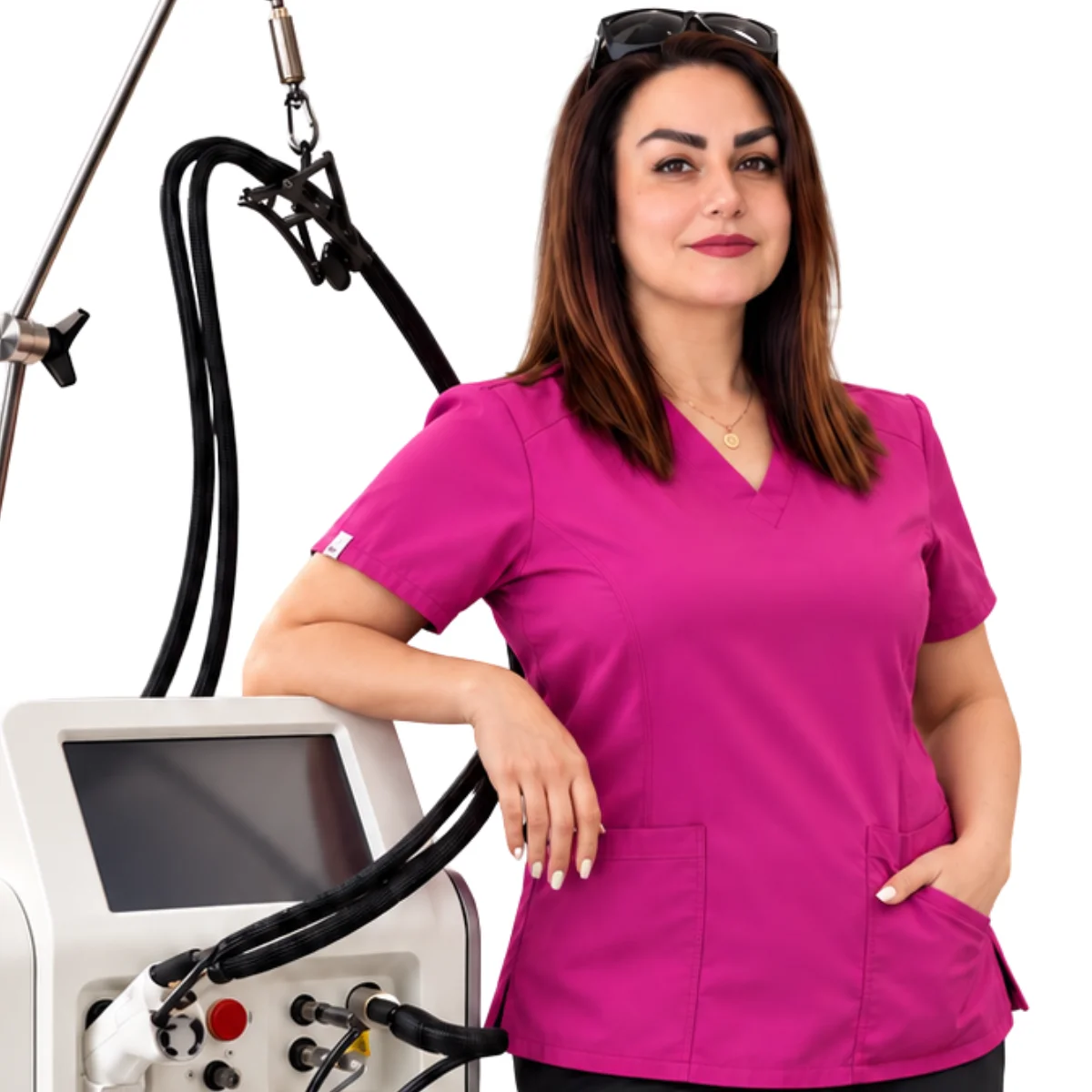
Laser Safety Certified · Medical Aesthetician
Medical Laser Aesthetician
Mitra brings 19 years of expertise in laser technology and aesthetics, specializing in laser hair removal and skin rejuvenation. At Parsa Wellness Clinic, she utilizes Cynosure Elite+ and Candela GentleMax Pro Plus, customizing treatments for all skin types to achieve optimal results in hair removal, vein reduction, and pigmentation correction. Her precision and personalized approach ensure safe, effective, and confidence-boosting outcomes for every client.
Common Inquiries
Learn about assessment, treatment suitability, healing, and aftercare for selected skin tags and benign lesions.
Plexr® Plus uses plasma energy to produce a controlled thermal effect on selected superficial skin lesions. This allows treatment without traditional surgical incisions or stitches. Suitability depends on the lesion’s characteristics and clinical assessment.
Most patients experience some warmth, tingling, or brief discomfort during treatment. Topical or local anesthesia may be used when appropriate. Individual sensitivity varies depending on the treatment area.
Small crusts may form and typically separate within approximately 7–14 days. Healing can take longer depending on treatment depth and location. Skin-colour normalization may take longer than initial healing.
Any skin lesion removal procedure carries some risk of scarring or pigmentation changes. Plexr® offers a targeted approach for selected superficial lesions, but results vary depending on skin type, treatment depth, lesion characteristics, and aftercare.
Your provider assesses each lesion before recommending treatment. Dermoscopy may assist the examination, but it cannot definitively exclude skin cancer. Plexr® is considered only for selected superficial lesions that are suitable after assessment. Suspicious, changing, or diagnostically uncertain lesions require appropriate medical evaluation and may need biopsy or removal with histopathological examination.
Some treated lesions may be permanently removed, while others can recur or require additional treatment. New skin tags and other benign growths may also develop over time.
Selected lesions around the eyes may be considered for plasma treatment following careful assessment. Because the eye area is particularly sensitive, specialized precautions and appropriate eye protection are essential. Not every eyelid lesion is suitable for this treatment.
Explore other services in Plexr® Plus Aesthetics. A provider can help you understand which options may be appropriate for your concerns and goals.
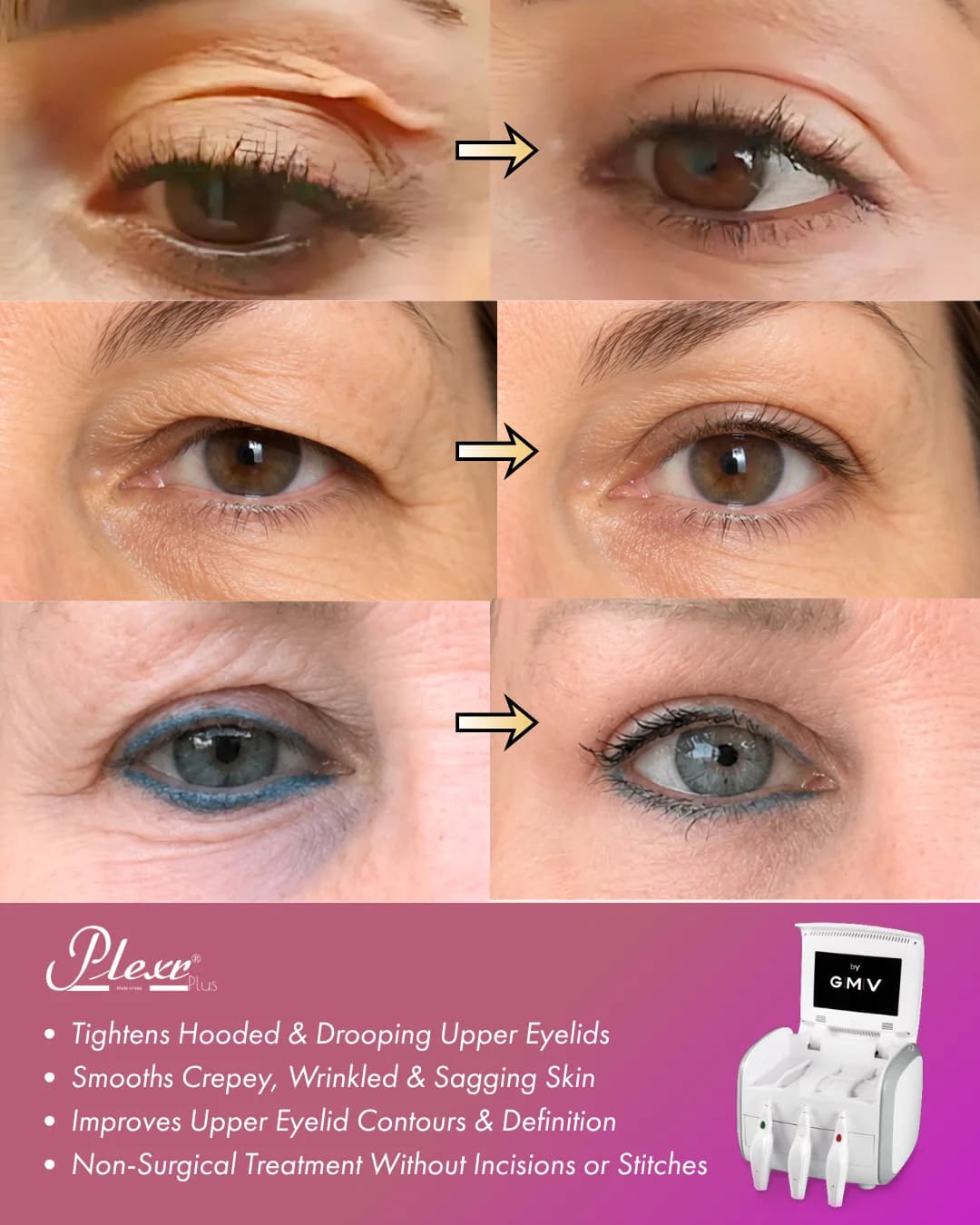
Improve the appearance of hooded eyelids and loose periocular skin with Plexr Plus plasma technology. This nonsurgical treatment delivers controlled plasma energy to targeted areas, encouraging skin tightening and rejuvenation without traditional surgical incisions.
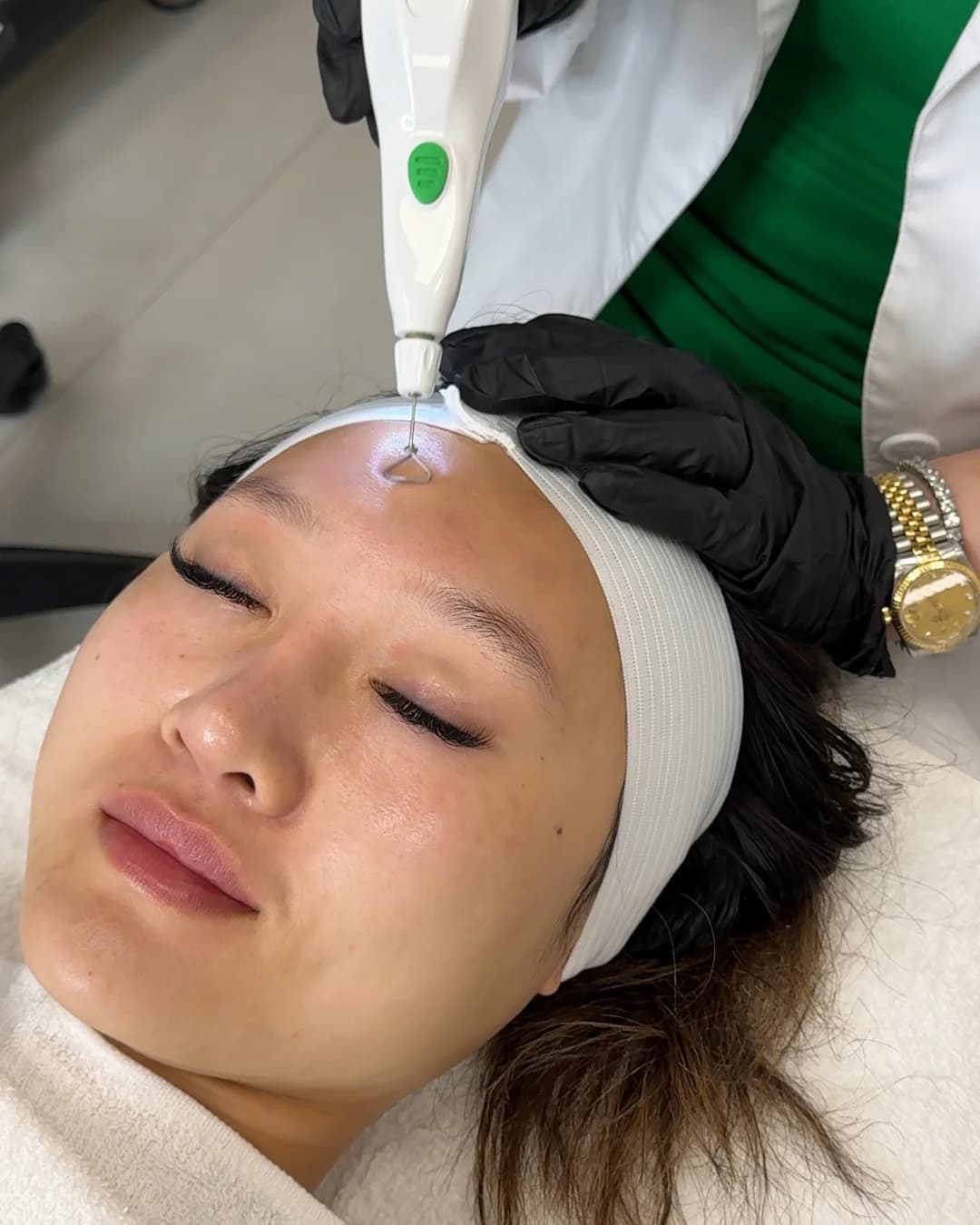
Refresh your complexion with Plexr Shower, a nonablative plasma facial combined with topical exosome skincare. This needle-free treatment supports a smoother-looking skin surface while addressing dullness, uneven texture, and early signs of skin aging.
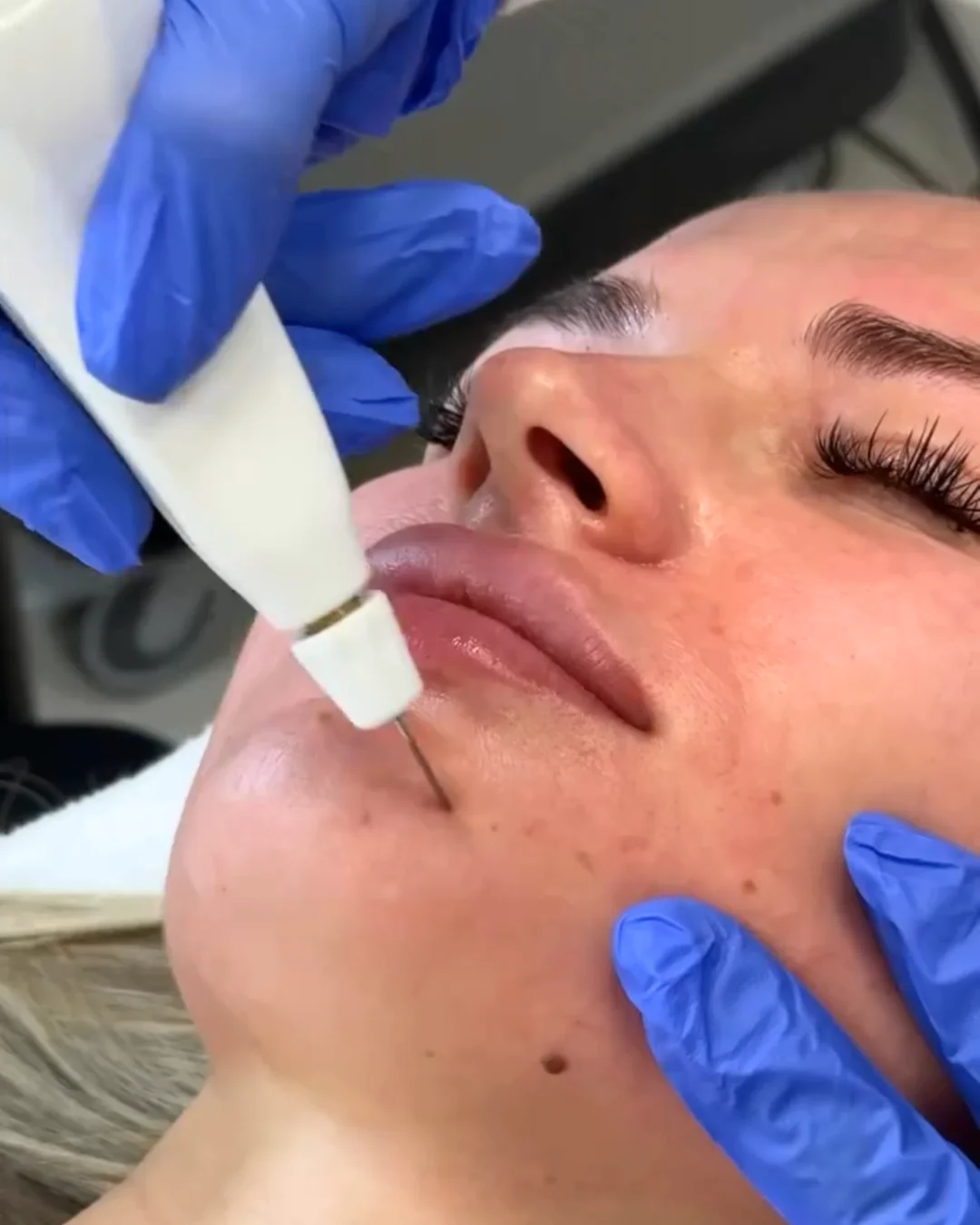
Address fine lines, uneven texture, and crepey skin with Plexr Plus plasma resurfacing. This nonsurgical treatment applies controlled plasma energy to selected areas, encouraging skin renewal and improving the appearance of age-related skin changes.

Improve the appearance of loose, crepey neck skin with Plexr Plus plasma technology. Controlled plasma energy targets selected areas of skin laxity, helping refine texture, soften fine lines, and support a firmer-looking neck.

Explore physician-supervised labial tissue rejuvenation using Plexr Plus plasma technology. This nonsurgical procedure targets selected concerns involving labial laxity and asymmetry, with individualized assessment determining suitability, expected outcomes, recovery requirements, and appropriate treatment options.
Personalized Assessment · Selected Treatments
Book a personalized consultation with Mitra at Parsa Wellness Clinic in North Vancouver. Our clinical team will assess your skin concern, discuss available treatment options, and determine whether Plexr® plasma removal is appropriate for you.