

01
Chronic Migraine
Migraine Prevention
Botox® is an established preventive treatment for eligible adults with chronic migraine, helping reduce headache days and migraine-related disruption.
Therapeutic neuromodulators, including Botox®, are used to manage certain medical conditions by targeting specific nerve signals. From preventing chronic migraine to reducing excessive sweating and managing selected jaw-muscle symptoms, these treatments offer targeted options for concerns that can affect everyday comfort and quality of life.
At Parsa Wellness Clinic, treatments are provided under physician supervision and focus on chronic migraine prevention, selected jaw-muscle symptoms, and excessive sweating affecting the underarms or palms.
Care
Therapeutic Care
Clinics
North Vancouver & Chilliwack
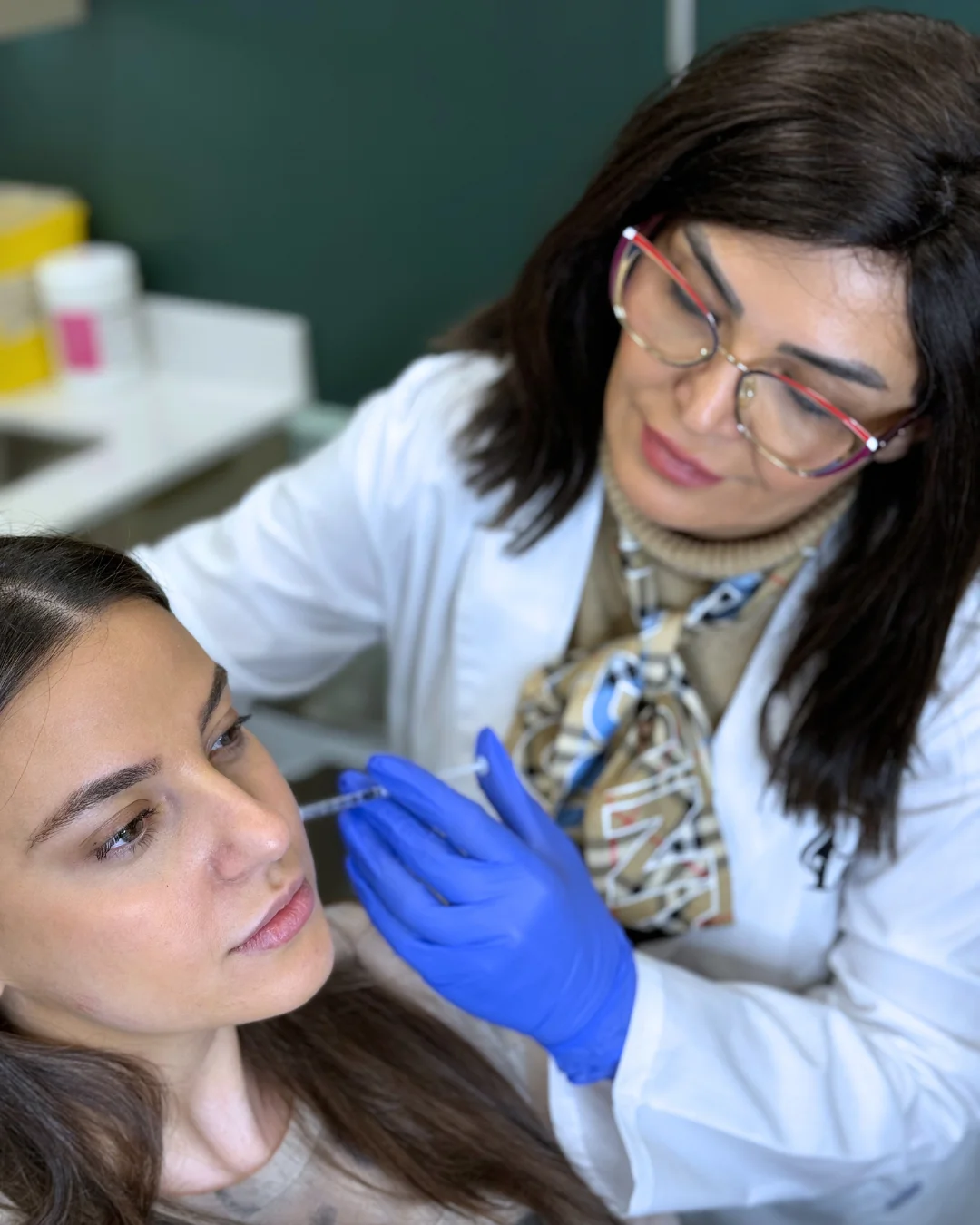
While neuromodulators are commonly associated with cosmetic treatments, botulinum toxin also has established medical applications. Depending on the condition, targeted injections can help prevent chronic migraine, reduce excessive sweating, or potentially relieve symptoms associated with overactive jaw muscles.
Migraine Prevention
Botox® is an established preventive treatment for eligible adults with chronic migraine, helping reduce headache days and migraine-related disruption.
Muscle-Related Jaw Discomfort
Targeted injections may help reduce excessive activity in chewing muscles associated with clenching, bruxism, and selected muscle-related TMJ symptoms.
Underarm & Hand Sweating
Botox® is approved in Canada for severe primary underarm hyperhidrosis in adults. Treatment of palm sweating is off-label and may be considered in selected cases.
Targeted Treatment
Learn about chronic migraine prevention, selected jaw-muscle treatment, and care for excessive underarm or palm sweating.

01Chronic Migraine Prevention
Frequent migraine headaches—with nausea or sensitivity to light and sound—can disrupt work, sleep, and daily activities. For eligible adults, Botox® is an established preventive treatment that may reduce headache days.
Potential benefits
Protocol & schedule
31 injections across seven head and neck areas; repeat treatment is generally scheduled every 12 weeks.
Botox® is injected into specific areas of the head and neck to reduce pain-related nerve signalling associated with migraine attacks. Unlike medication taken during an active migraine, Botox® is intended to help prevent future episodes and reduce their frequency over time.
Botox® may be considered for adults with chronic migraine, generally characterized by headaches on at least 15 days per month, including at least eight days with migraine features, for more than three months. Treatment planning considers headache history, symptoms, and previous therapies.
Some people notice improvement after the first cycle; others need more cycles before their response is clear. Results vary, and migraine symptoms may continue.
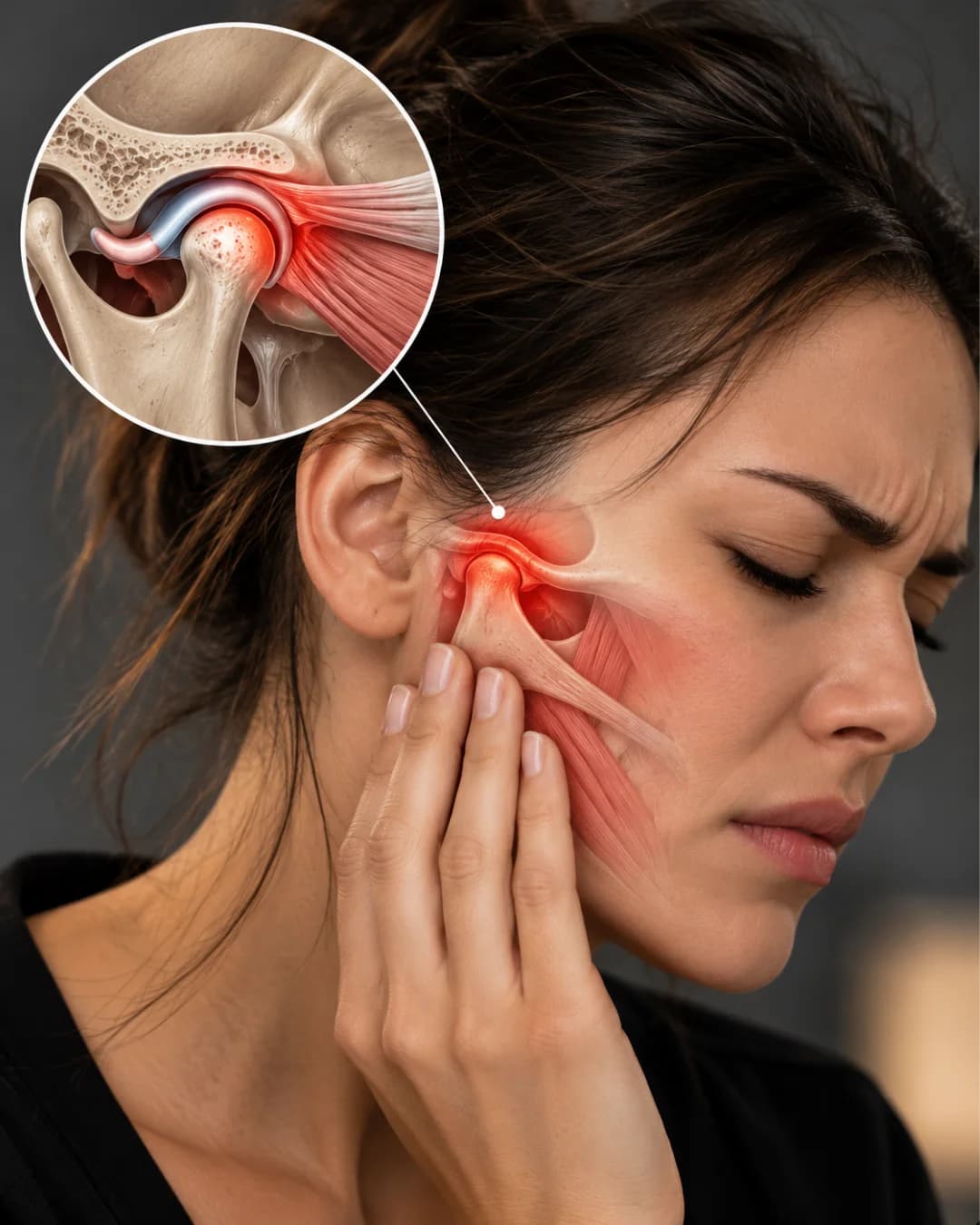
02TMJ-Related Jaw Pain & Bruxism
Clenching and teeth grinding can strain chewing muscles and contribute to jaw pain, facial tension, headaches, or discomfort when eating or speaking. Selected muscle-related symptoms may respond to targeted treatment.
Potential benefits
Typical result duration
Around three to four months; individual results vary.
In selected patients, injections into the masseter or other chewing muscles may temporarily reduce excessive muscle activity and related muscular discomfort. The goal is to address muscle overactivity, not change the structure of the jaw joint.
Not all TMJ-related pain originates from the muscles. Jaw tightness, fatigue, or grinding may involve the chewing muscles, while other symptoms can result from problems involving the jaw joint, teeth, or surrounding structures. Evidence of effectiveness remains mixed. Use for TMJ disorders and bruxism is generally off-label in Canada and is not considered a standard first-line treatment.
Changes may become noticeable over several days to two weeks. Treatment uses small injections into selected chewing muscles, often the masseters. Possible risks include temporary chewing weakness, changes in bite-related function, facial asymmetry, and muscle changes with repeated treatment.

03Underarm & Hand Sweating
Excessive sweating in the underarms or palms can affect clothing, work, and everyday activities. Botox® is approved in Canada for severe primary underarm hyperhidrosis in adults; use for palm sweating is off-label.
Potential benefits
Typical result duration
Underarm relief often lasts 4–7 months; results for hands vary. Individual results vary.
Botox® temporarily blocks nerve signals that activate sweat glands in the treated area, reducing local sweat production without permanently affecting the glands.
For underarms, Botox® may be considered for severe primary sweating in adults when topical treatments have not helped enough. Palm treatment is off-label in Canada. A clinician can discuss whether it is appropriate, including the possibility of temporary hand or finger weakness that may affect pinch strength.
Treatment involves multiple small injections into the skin of the affected area. Underarm improvement may be noticeable within about a week. Palm injections may cause temporary weakness in small hand muscles; repeat treatment is tailored to your response.
Treatment Process
Treatment is tailored to the condition being addressed. The process generally includes a treatment plan, targeted injections, and follow-up to review your response.
Your physician explains the recommended medication, injection areas, expected effects, potential risks, and timing for the condition being treated.
The prescribed neuromodulator is given through a series of small injections into the relevant treatment areas. Injection number and placement vary by protocol.
Many people return to routine activities shortly after treatment. Temporary tenderness, swelling, or bruising can occur; follow the aftercare instructions for your treatment area.
Effects develop on different timelines. Chronic migraine Botox® is generally repeated every 12 weeks; repeat timing for other uses depends on response and product.
Safety Information
Botulinum toxin has established medical uses, but like any prescription treatment, it can have side effects and may not be suitable for everyone. Some uses are off-label. Precautions vary by product and treatment area.
Tell your physician about medications, allergies, previous botulinum toxin treatments, neuromuscular conditions, or a history of swallowing difficulties. Your physician will review the relevant precautions for your treatment.
Temporary injection-site discomfort, bruising, swelling, headache, or localized muscle weakness may occur. Additional risks depend on the treatment area and prescribed product. Rarely, effects may spread beyond the intended area.
Seek urgent medical care for difficulty breathing, swallowing, or speaking, or new generalized weakness after treatment.
Physician-Led Therapeutic Care
Dr. Soltani is a specialist in anesthesiology with experience in pain management and therapeutic procedures. Her physician-led approach focuses on appropriate treatment selection, individual needs, and patient safety.

MD, FRCPC, GC Pain · Founder & Medical Director
Anesthesiologist, Medical Director & Pain Management Practitioner
With over 20 years of experience, Dr. Parisa Soltani is a respected Pain Management Practitioner and the Founder of Parsa Wellness Clinic. She created the Turn Pain Into Power program to deliver comprehensive, patient-centered care for chronic pain. Dr. Soltani’s approach integrates medical treatments, restorative therapies, and holistic strategies to address pain in all its dimensions. Her dedication helps patients overcome limitations, regain control, and rediscover quality of life.
Common Inquiries
Learn about treatment protocols, expected effects, safety, and practical details.
Our team can answer questions about treatment options, referral requirements, and next steps.
Contact Our ClinicBotulinum toxin products have different approved medical uses. Botox® is used for chronic migraine prevention in eligible adults and is indicated in Canada for severe primary underarm hyperhidrosis in adults. Treatment of palm sweating and selected muscle-related jaw symptoms is off-label. Indications and protocols vary by product.
For eligible adults with chronic migraine, Botox® is injected into specific head and neck areas involved in migraine-related pain pathways. It is a preventive treatment intended to reduce headache days over time, not to stop an active migraine immediately.
It may reduce excessive activity in selected chewing muscles and help some people with muscle-related jaw symptoms. Evidence remains mixed, and this use is generally off-label in Canada. It is not suitable for every cause of jaw or joint pain.
Both may involve injections into the masseter muscles, but the goals differ. Therapeutic treatment focuses on selected muscle-related symptoms, while cosmetic masseter injections aim to change the appearance of the lower face. Injection planning depends on the treatment goal.
Duration varies by condition, treatment area, and product. Chronic migraine Botox® is generally given every 12 weeks. Jaw-muscle effects commonly last around three to four months. Underarm sweating relief is often reported for 4–7 months; duration for palm treatment varies. Individual results vary.
Timing depends on the condition and treatment area. Underarm sweat reduction may begin within about a week, while changes in jaw-muscle activity can take several days to two weeks. Chronic migraine prevention is reviewed over a longer period, and some people need more than one treatment cycle to understand their response.
Treatment uses small needles and can cause brief pinching or discomfort. Sensitivity varies by injection area and person. Your clinician can explain what to expect for the specific treatment.
Temporary injection-site discomfort, bruising, swelling, headache, or localized muscle weakness may occur. Risks vary by treatment area and product. Seek urgent medical attention for difficulty breathing, swallowing, or speaking, or new generalized muscle weakness after treatment.
Coverage depends on the medical indication, prescribed product, eligibility criteria, and insurance policy. Coverage for medication, consultation, and injection administration may differ. Confirm benefits with your insurer; the clinic can explain applicable fees and provide information for insurance inquiries.
Referral requirements depend on the condition and care pathway; some physician-led pain services require a medical referral. Pricing varies by condition, medication, dose, and treatment requirements. Contact the clinic to confirm the referral process and current fees.
Explore other options for pain, muscular discomfort, and neuromodulator treatment.

Access physician-directed chronic pain management with individualized assessment and targeted interventions. Treatment options may include nerve blocks, trigger point injections, joint injections, and medication assessment to help manage persistent musculoskeletal and neuropathic pain.
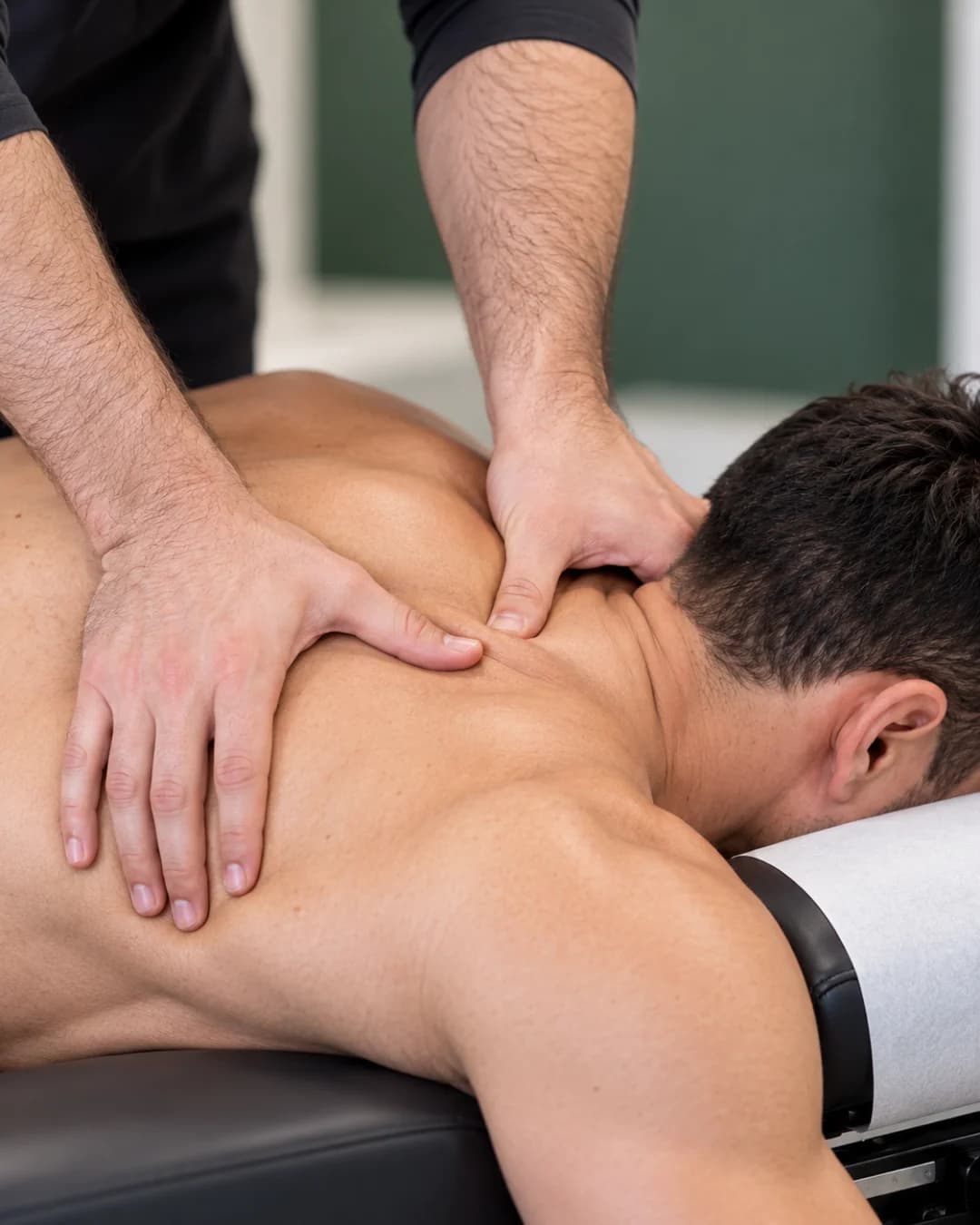
Improve musculoskeletal function and manage discomfort with personalized chiropractic care. Treatments may include spinal adjustments, joint mobilization, soft tissue therapy, and rehabilitative techniques addressing back pain, neck stiffness, TMJ dysfunction, and movement-related concerns.
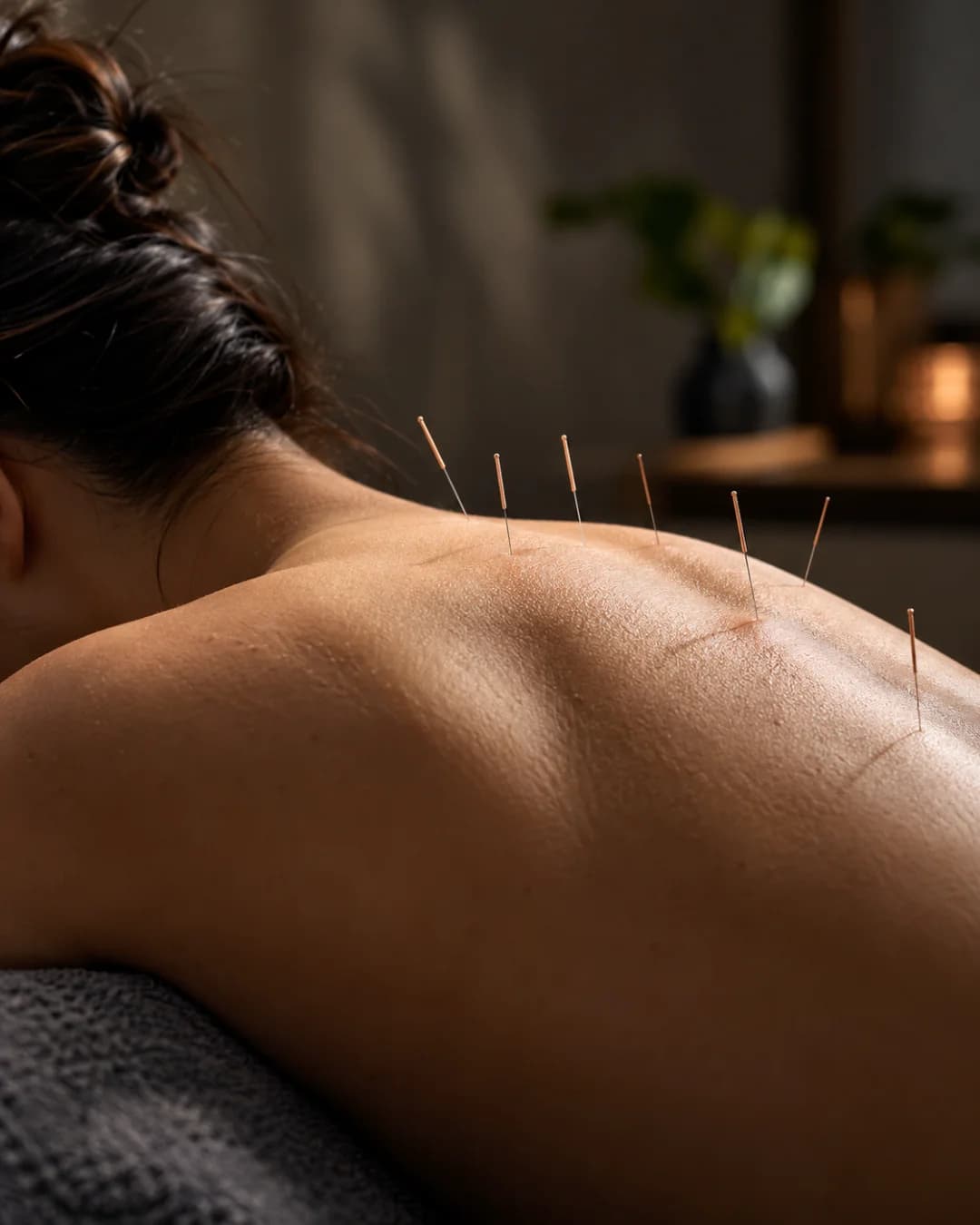
Support pain management and overall well-being with registered acupuncture treatments. Using precisely placed sterile needles, traditional acupuncture and electroacupuncture may help manage musculoskeletal discomfort, tension headaches, stress-related symptoms, and selected chronic pain conditions.

Physician-directed cosmetic neuromodulator injections may soften forehead lines, frown lines, and crow’s feet while supporting natural facial movement.
North Vancouver • Chilliwack
Experiencing chronic migraine, persistent jaw clenching, TMJ-related muscle discomfort, or excessive sweating in the underarms or palms? Our team at Parsa Wellness Clinic can explain the therapeutic neuromodulator options available and help you arrange care.