
Cheeks & Midface Volume
May add volume to selected areas of the cheeks and midface and refine contour. The degree of change depends on your anatomy and treatment plan.
Dermal fillers are injectable treatments designed to restore facial volume, soften selected lines, and enhance facial contours. At Parsa Wellness Clinic, our clinical team provides personalized treatments for the cheeks, chin, jawline, under-eye hollows, and other areas, focusing on balanced, natural-looking results. Available in North Vancouver and Chilliwack.
Clinics
North Vancouver & Chilliwack

Treatment Duration
15 to 30 Minutes
Treatment time varies by the number of areas treated and the complexity of your plan.
Results Longevity
Typically 6–18 Months
Longevity varies by filler formulation, treatment area, and individual response. Some products may last longer.
Results
Initial Changes Visible Immediately
Swelling may temporarily affect the appearance as results settle.
Recovery & Downtime
Varies by person
Temporary swelling, tenderness, or bruising may last several days
Treatment planning considers your goals, medical history, facial anatomy, and the benefits and limitations of available options. Ultrasound may support assessment when clinically indicated.
Personalized Care from Qualified Medical Professionals
Our clinical team considers your goals, facial anatomy, medical history, and treatment options when developing an individualized plan.
Clarius® Point-of-Care Ultrasound
Our Clarius® point-of-care ultrasound can help clinicians visualize relevant facial structures, assess existing filler, and support treatment planning when clinically indicated. Ultrasound provides additional anatomical information but does not eliminate injection-related risks.
Thoughtful Product Selection & Placement
We prioritize appropriate product selection and measured filler placement, with treatment plans designed around your facial anatomy, aesthetic goals, and natural proportions.
Options May Include Teoxane® & Stylage®
Available hyaluronic acid filler options may include Teoxane (Teosyal®) and Stylage®. Product selection is based on the area being treated and your clinical assessment.
Filler Basics
Dermal fillers are injectable gels used to restore volume, soften selected facial lines, and enhance contours. Many commonly used fillers contain hyaluronic acid, a substance naturally present in the body that helps retain moisture and support tissue volume.
Different hyaluronic acid formulations vary in firmness, flexibility, and placement depth—allowing clinicians to use more structured gels for deeper support in areas such as the cheeks, chin, or jawline, and softer gels for delicate or expressive areas.
Dermal fillers do not stop the aging process or permanently alter facial structures. Treatment results depend on the product, injection area, individual anatomy, and clinical response.
At Parsa Wellness Clinic, treatment planning focuses on selecting appropriate products and placement techniques to complement your natural facial features.
Personalized Facial Balancing Philosophy
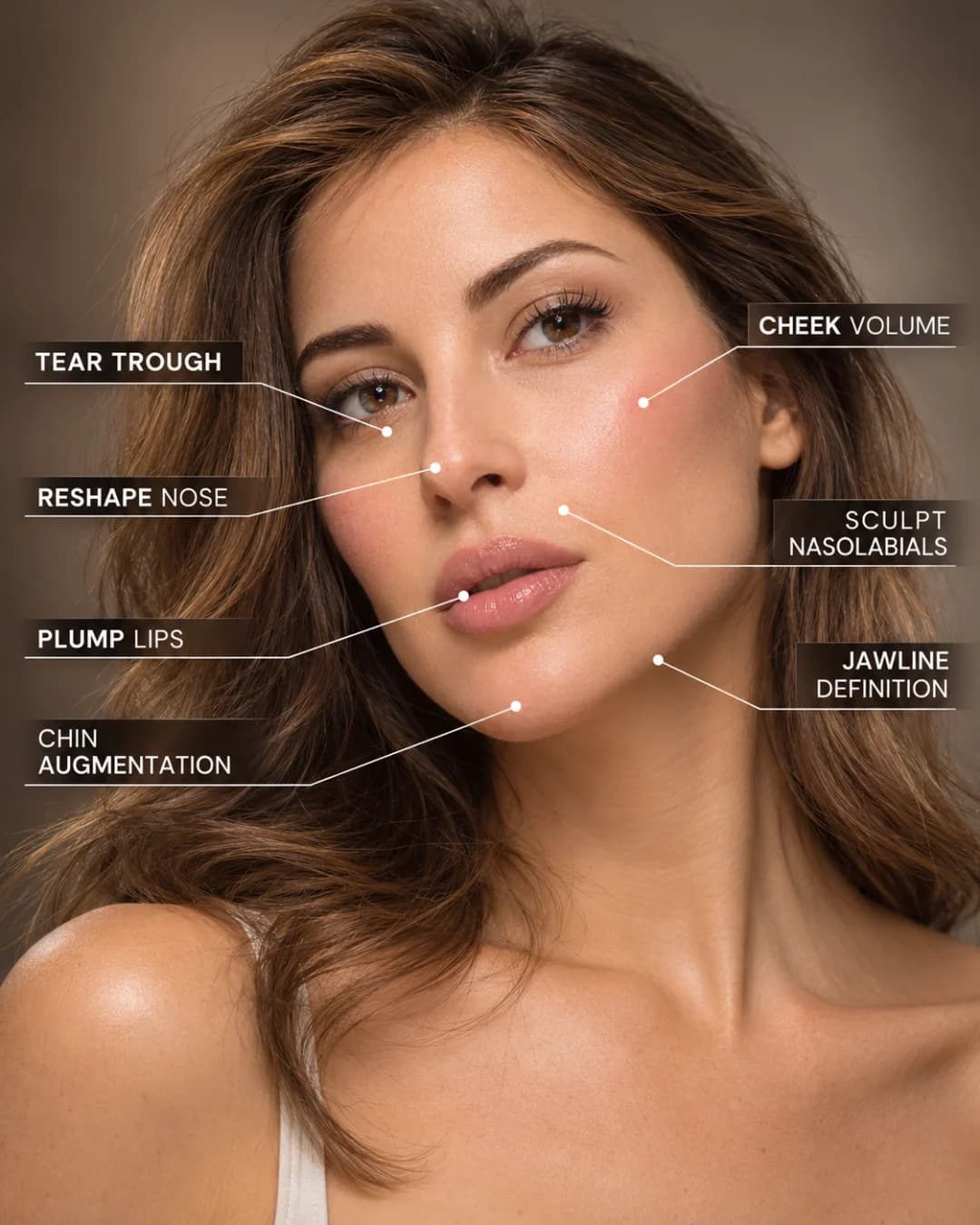
Facial balancing considers how your features relate to one another. Your clinician assesses your facial proportions and existing volume to discuss whether dermal filler in areas such as the cheeks, chin, or jawline may suit your goals. Your consultation also covers alternatives, limitations, and risks.
Your clinician considers facial proportions, existing volume, and how your features relate to one another.
Your anatomy, preferences, medical history, and goals guide the discussion of suitable options.
Facial movement and expression are considered when planning changes that complement your features.
Product selection and the amount used are tailored to your assessment, with an emphasis on measured changes.
Targeted Facial Areas
Explore treatment options for selected concerns including cheek volume, jawline contour, under-eye hollows, and facial balance. Product selection and the amount used depend on individual anatomy, goals, and clinical assessment.
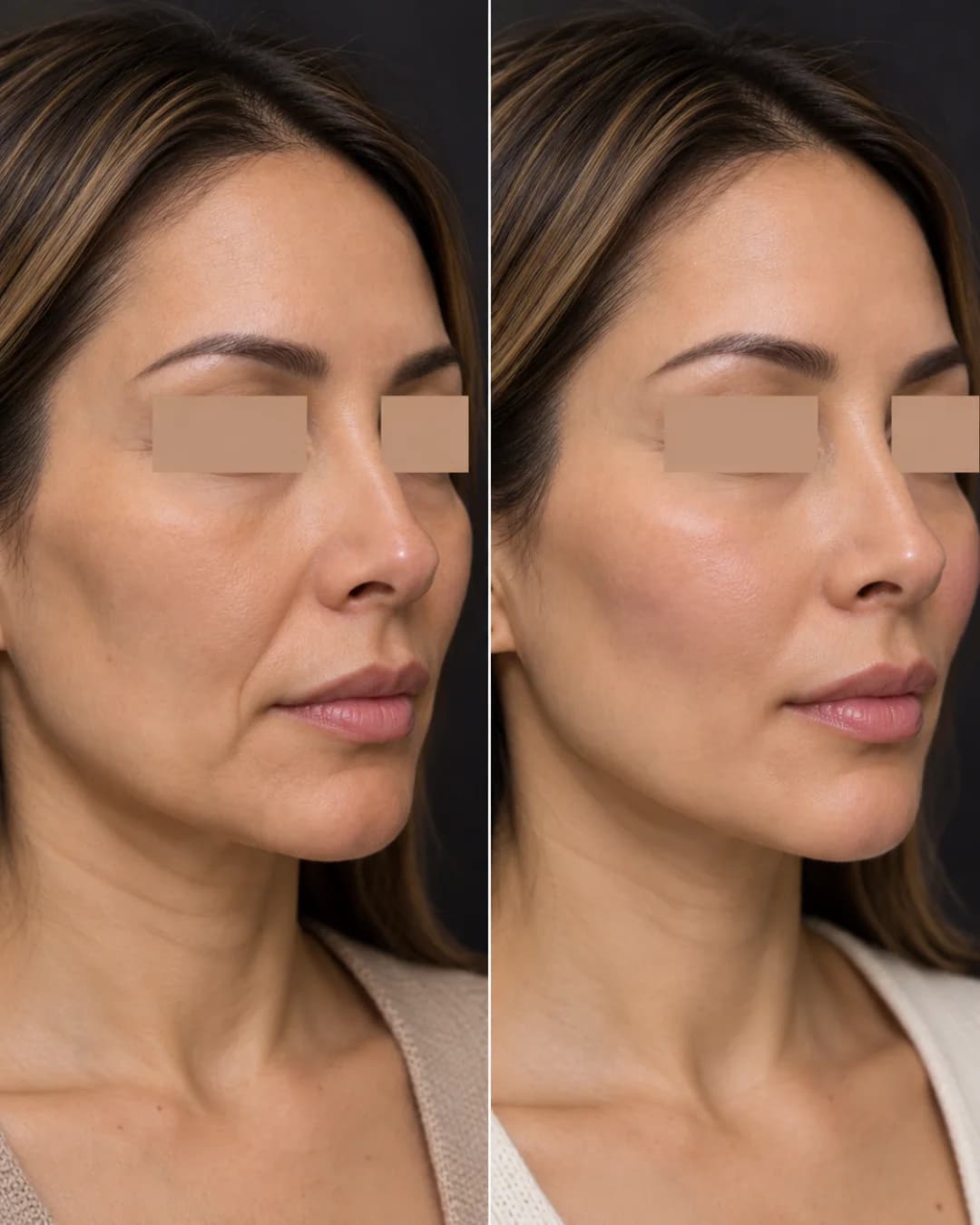
May add volume to selected areas of the cheeks and midface and refine contour. The degree of change depends on your anatomy and treatment plan.
For selected patients, filler may soften hollows beneath the eyes. Dark circles can have other causes, and under-eye filler is not suitable for everyone.
Jawline filler may improve definition and create a more structured lower-face contour. In selected patients, it may help camouflage mild jowling, although it does not tighten loose skin or replace surgical lifting procedures.
Chin filler may improve projection and definition in patients with a small or recessed chin. Treatment can help refine facial proportions and the appearance of the side profile without surgery.
Filler may soften the appearance of selected lines between the nose and mouth. The degree of change varies with facial anatomy and treatment plan.
Filler may soften selected lines from the mouth corners toward the chin and refine the surrounding contour. Suitability and results vary.
May restore volume in selected cases of temple hollowing. The degree of contour change varies, and an outer-brow lift cannot be guaranteed.
Dermal fillers may help soften selected fine lines around the mouth and improve the appearance of age-related volume changes. Suitability depends on skin condition, facial movement, and individual assessment.
May improve selected nasal contour irregularities with hyaluronic acid filler. Suitability depends on individual anatomy and clinical assessment; filler adds volume and does not reduce nose size.
Interested in enhancing lip volume or definition? Explore our personalized lip filler treatments.
Understanding Your Options
Hyaluronic acid fillers primarily add volume and refine contours. Collagen biostimulators are intended to encourage gradual collagen production. Which approach may suit you depends on your goals, anatomy, and clinical assessment.
Refine Nasal Contours Without Surgery
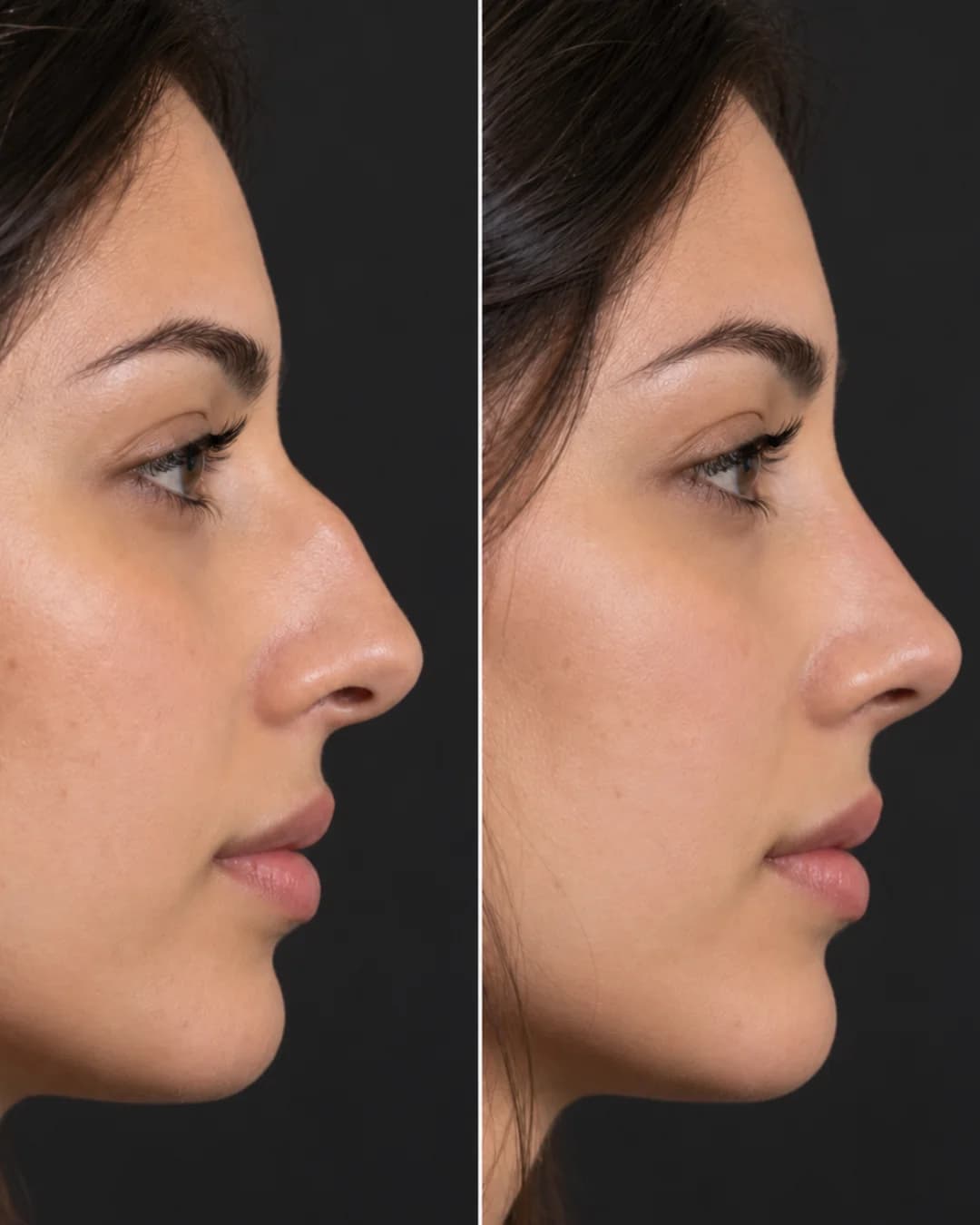
Non-surgical rhinoplasty uses carefully placed hyaluronic acid filler to improve selected nasal contour irregularities, such as small depressions or the appearance of a dorsal hump. Suitability depends on individual anatomy and clinical assessment. Filler adds volume rather than reducing the physical size of the nose. Nasal filler carries important risks, including vascular complications that can cause serious tissue injury or vision problems; these risks are discussed during assessment.
Where clinically indicated, ultrasound can help assess relevant anatomy and inform treatment planning. It does not eliminate vascular risk.
Temporary swelling, tenderness, or bruising may occur. Your clinician can discuss aftercare and expected recovery.
Filler longevity varies by product and individual factors; duration cannot be guaranteed.
Candidate Suitability
Clinical Outcomes
Individual results vary. Photographs, where shown, represent specific patients and do not guarantee a similar outcome.
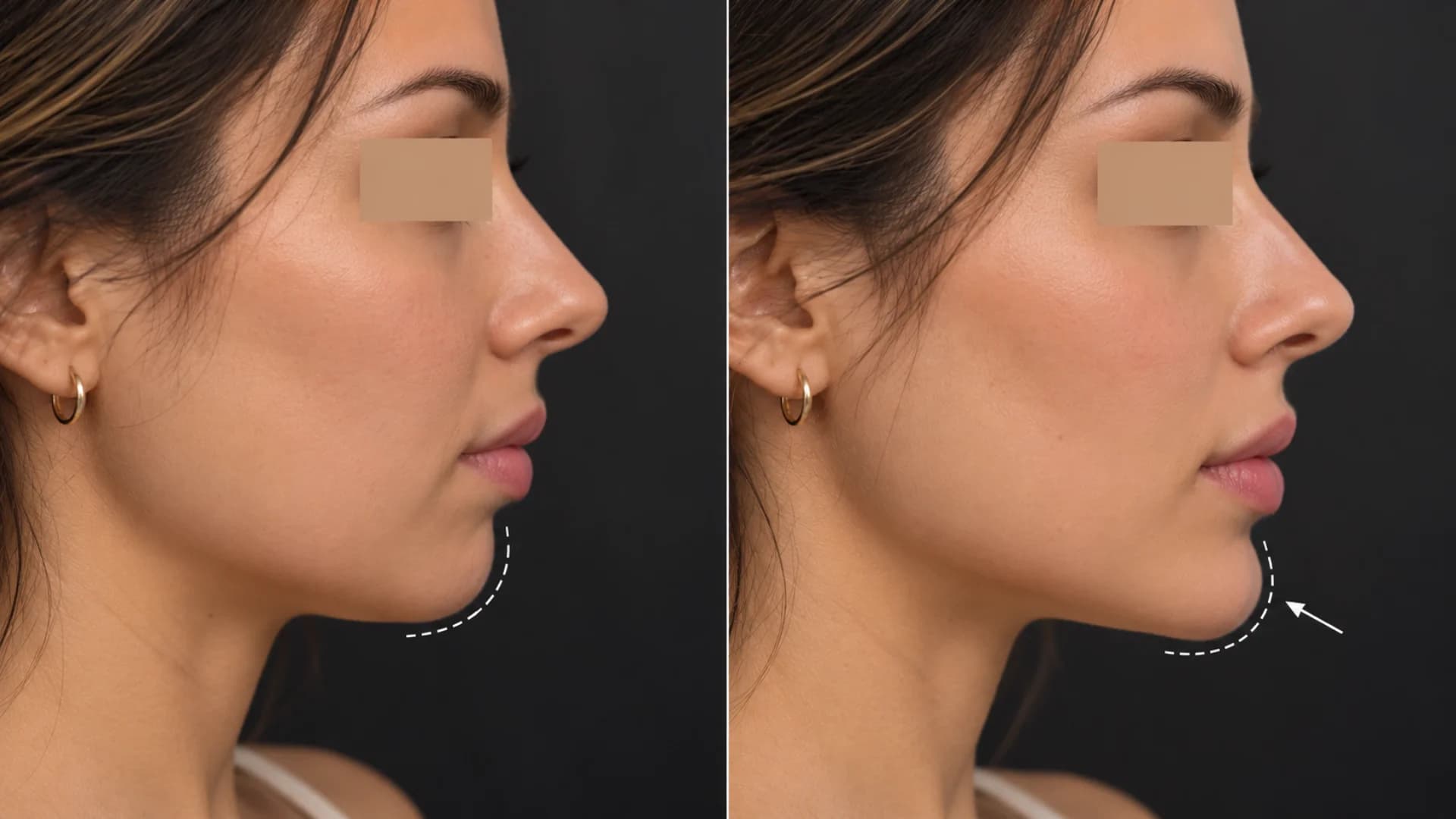
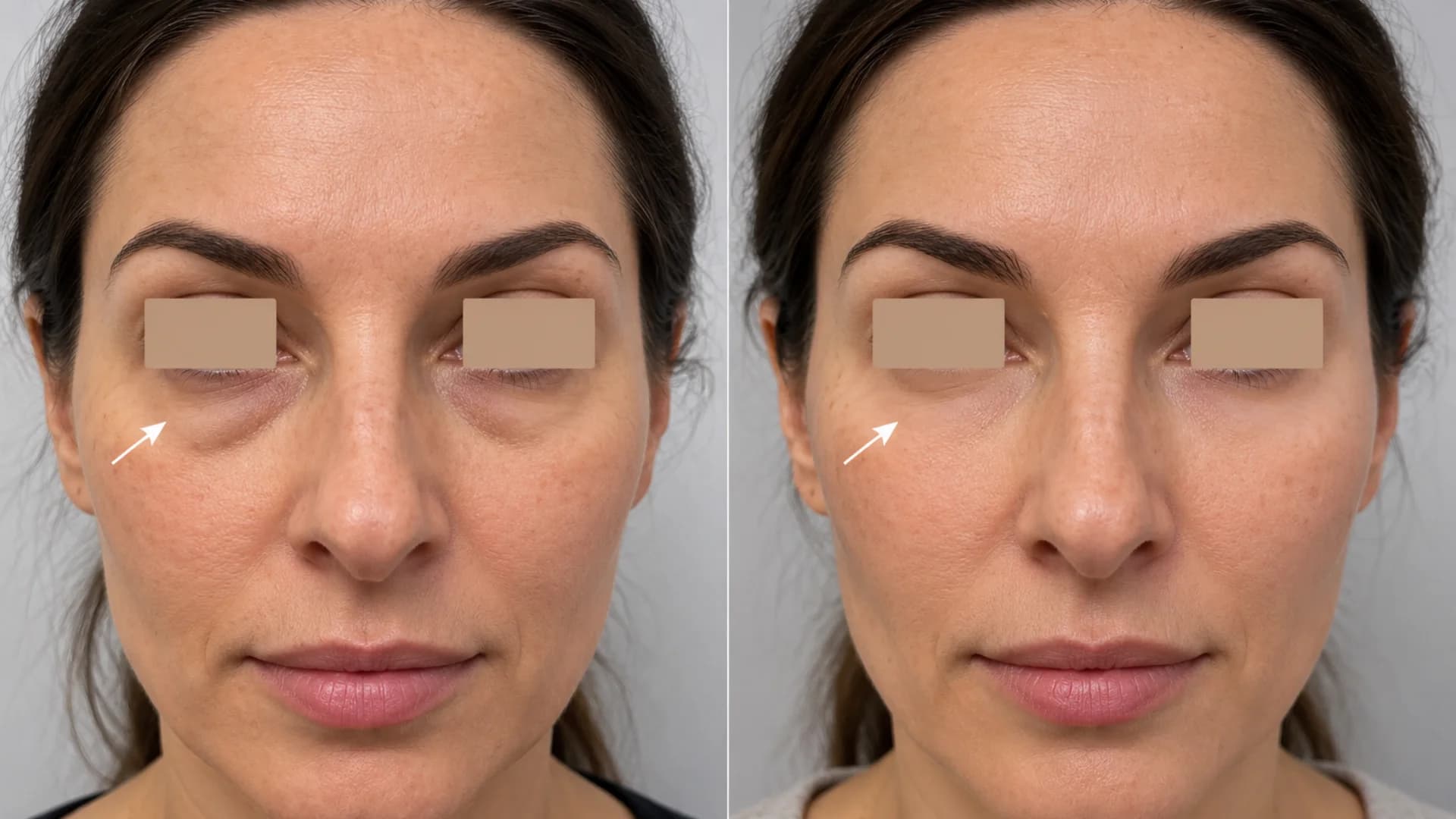
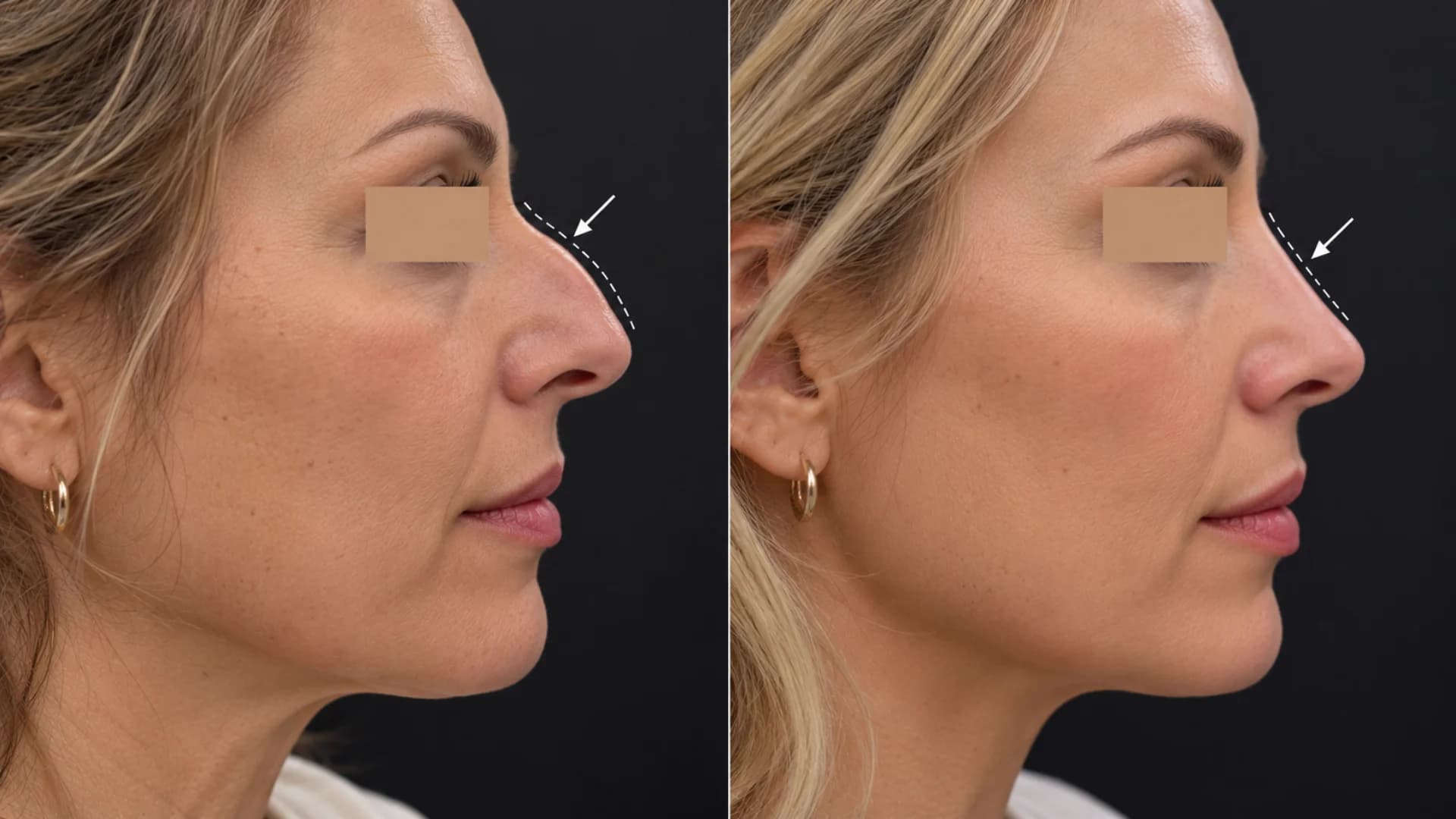
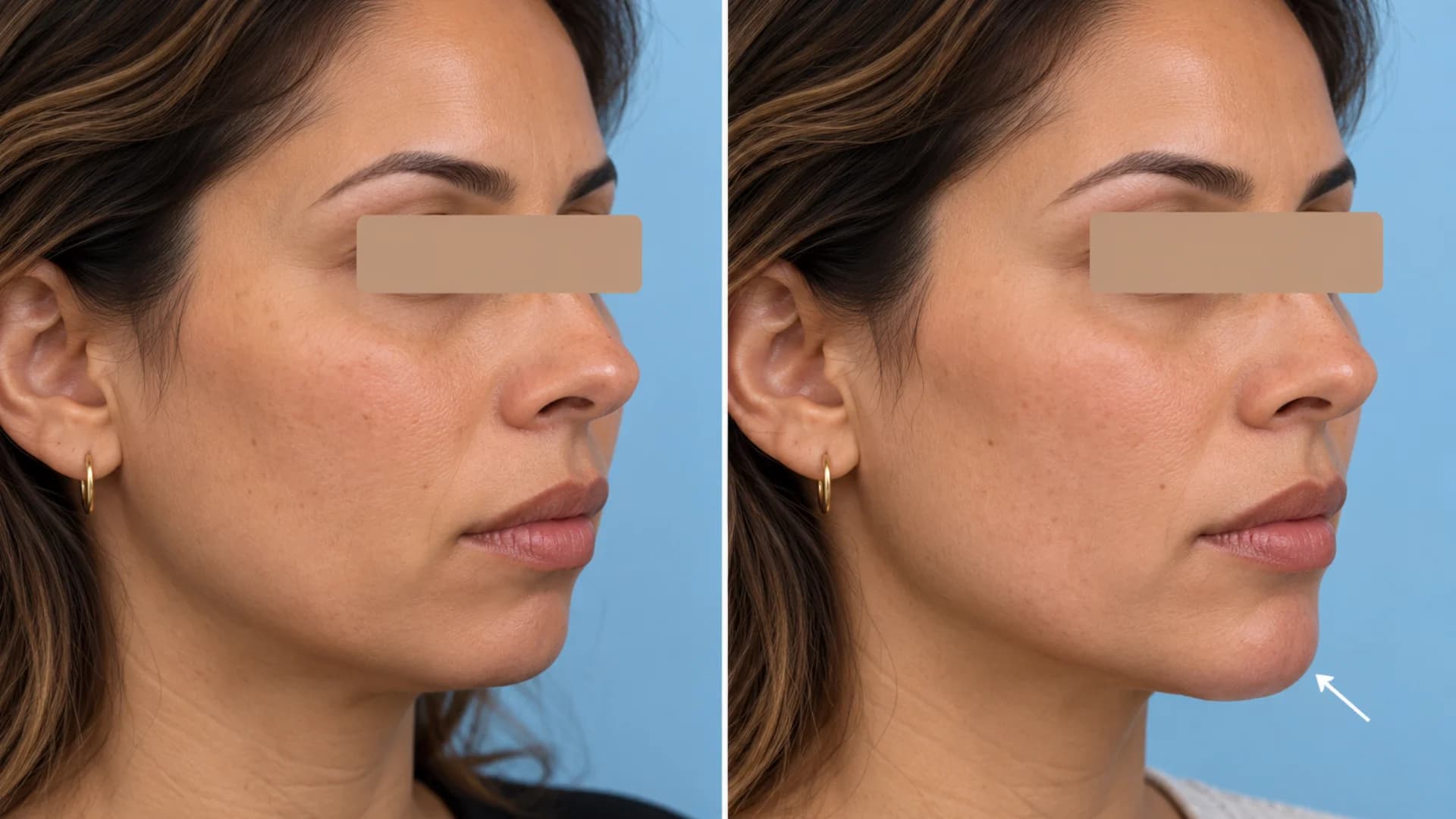
The Treatment Journey · What to Expect
Your clinician will explain the assessment, treatment options, recovery expectations, and follow-up plan for your individual care.
We discuss your goals and medical history, assess your facial anatomy, and review suitable options, expected benefits, limitations, and risks. Ultrasound may be used when clinically indicated.
If you choose to proceed, your clinician selects a product and technique based on the area and plan. Numbing options may be discussed to support comfort.
Temporary swelling, tenderness, or bruising may occur and can last several days or longer. The early appearance may change as swelling settles.
Your clinician can advise when to review your result. The timing and need for follow-up or any additional treatment depend on your response and the clinic’s follow-up policy.
Your clinician can advise when a review may be useful. The timing and need for follow-up or any additional treatment depend on your response and the clinic’s follow-up policy.
Preparation & Aftercare
These general suggestions support preparation and recovery. Your clinician will provide instructions suited to your treatment and health history.
Tell your provider about all medications and supplements you take, including aspirin, anti-inflammatory medications, and blood thinners. Some products may increase bruising. Do not stop prescribed medication unless advised by the healthcare professional who prescribed it.
Alcohol may contribute to bruising or swelling in some patients. Your clinician can advise whether avoiding alcohol before your appointment is appropriate.
Tell your provider if you have dental work or vaccination planned around your appointment. They can advise whether timing should be adjusted based on your treatment plan and clinic protocol.
Inform your clinician about active skin infections, cold sores, recent illness, or changes in your health before your appointment. Treatment may need to be postponed depending on your condition. Inform your clinician if you are pregnant, breastfeeding, or planning pregnancy, as the safety of cosmetic dermal fillers during pregnancy and breastfeeding has not been established.
Avoid unnecessary pressure or massage on treated areas for the period advised by your clinician. Do not massage the area unless specifically instructed.
If recommended by your clinician, apply a clean, wrapped cold compress gently to help manage temporary swelling. Avoid direct ice contact or excessive pressure.
Your clinician may recommend avoiding strenuous exercise, saunas, hot yoga, and excessive heat for 24–48 hours following treatment to help limit temporary swelling and bruising.
During or shortly after filler treatment, seek immediate medical attention for unusual pain, skin blanching or new white, gray, or blue discolouration near the injection site, or any change in vision. Sudden vision changes or possible stroke symptoms—such as face drooping, weakness or numbness, difficulty speaking or walking, severe headache, dizziness, or confusion—are emergencies. Call 911.
Full-Face Harmony & Proportions
A treatment plan may address more than one concern. Dermal fillers, neuromodulators, collagen biostimulators, and lip treatments have different uses and may be combined when clinically appropriate.
Contour + Expression Lines
Dermal fillers add volume or contour in selected areas, while neuromodulators reduce activity in selected muscles. They may be considered together when appropriate, but each treatment has different benefits and risks.
Volume + Gradual Collagen Stimulation
Hyaluronic acid fillers can provide visible volume or contour change, while Sculptra is intended to stimulate collagen gradually. The timeline and duration of results vary; your clinician can discuss whether either option suits your goals.
Lower-Face & Profile Alignment
Chin, jawline, and lip treatments may be considered individually or together to refine lower-face proportions. Your clinician assesses facial anatomy, profile balance, and treatment goals to determine which areas, if any, may benefit from enhancement.
Correction & Revision Care
Unwanted, uneven, or migrated hyaluronic acid filler may be treated using hyaluronidase, an enzyme that breaks down hyaluronic acid. Outcomes vary, and precise or complete reversal cannot be guaranteed.
Where appropriate, ultrasound imaging can help assess filler location and guide treatment planning. Our clinical team evaluates each case individually to determine the most suitable corrective approach.
When appropriate, ultrasound may help assess the location of filler and relevant structures. Imaging has limitations and cannot remove all uncertainty.
Hyaluronidase may be placed in selected areas to break down hyaluronic acid filler. The response varies and may affect more than the intended filler.
After treatment, your clinician may recommend a follow-up assessment to evaluate your response. If additional filler treatment is appropriate, timing and options can be discussed after reassessment.
Common Inquiries
Learn about treatment planning, ultrasound assessment, filler correction, and how results vary.
We assess concerns about previous hyaluronic acid filler and discuss correction options, including hyaluronidase when appropriate.
Contact Our ClinicLiquid rhinoplasty uses hyaluronic acid filler to add volume to selected areas and create the appearance of a smoother contour. It may improve some small depressions or the appearance of a dorsal hump, but it does not physically reduce the nose. Suitability is determined through clinical assessment. Nasal filler has important risks, including vascular complications, which can cause serious tissue injury or vision problems; ultrasound may support assessment when indicated but cannot eliminate these risks.
Our clinical team discusses your goals, medical history, facial anatomy, and treatment options before developing a plan. When clinically indicated, point-of-care ultrasound may help assess anatomy and support planning. As with any injectable treatment, risks remain and outcomes vary.
The amount and placement of filler can affect facial proportions, and overfilling is possible. We discuss a conservative, individualized plan based on your anatomy and goals. No approach can guarantee a particular appearance, and you can choose whether to proceed after discussing the benefits and risks.
Product options may include hyaluronic acid fillers from Teoxane (Teosyal®) and Stylage®. Formulations differ, and the product selected depends on the treatment area, your anatomy, and clinical assessment. No filler brand guarantees a specific result, safety profile, or duration.
Longevity varies by product, treatment area, amount used, and individual factors such as metabolism. Your clinician can discuss a reasonable expectation for the proposed treatment, but duration cannot be guaranteed and maintenance may be considered over time.
The under-eye area requires careful assessment, and filler is not appropriate for everyone or every cause of dark circles. Your clinician will discuss potential benefits, alternatives, and risks, including swelling, contour irregularities, and vascular complications. A needle, cannula, or ultrasound assessment may be considered based on the individual treatment plan; no technique eliminates risk or guarantees that a Tyndall effect will not occur.
When clinically indicated, point-of-care ultrasound can help assess relevant facial structures and inform treatment planning. It cannot identify every vessel or eliminate the possibility of vascular injury, so it is one consideration within a broader clinical assessment and risk discussion.
Hyaluronidase can break down hyaluronic acid filler, but the response varies and more than one treatment may be needed. Dissolving can cause discomfort and does not guarantee a precise or complete reversal. A clinician will assess the area, discuss risks and options, and decide whether ultrasound may help with treatment planning.
Adults seeking to address selected volume loss, facial asymmetry, or contour concerns may be candidates. A consultation is needed to review your health, goals, anatomy, and options. Fillers are not suitable for everyone, and treatment may be deferred or another approach recommended.
Dermal fillers add volume or contour in selected areas. Neuromodulators temporarily reduce activity in selected muscles and are commonly used for certain expression-related lines. They work differently, and a clinician can explain which option, if any, fits your goals.
Some contour change may be visible immediately, but swelling or bruising can temporarily affect the appearance. Your clinician can advise when to assess the result; timing varies by treatment area and individual healing.
Most patients experience some discomfort during injections, although the sensation varies by treatment area and individual sensitivity. Your clinician may recommend topical numbing or other comfort measures when appropriate. Some hyaluronic acid fillers contain lidocaine, which may help reduce discomfort during treatment.
Most dermal filler procedures take approximately 15–30 minutes. Treatments involving multiple areas or comprehensive facial balancing may take longer. Additional time may be required for consultation, assessment, preparation, and aftercare instructions.
Many patients can resume routine daily activities after treatment. Temporary swelling, redness, tenderness, or bruising may occur. Your clinician may recommend avoiding strenuous exercise, excessive heat, and pressure on treated areas for a period after your injections. Recovery instructions vary by treatment area and individual circumstances.
Our Dermal Filler Clinical Team
Our clinical team includes physicians and aesthetic nurse injectors who develop individualized plans based on your goals and assessment. Results vary, and no particular outcome can be guaranteed.

MD, FRCPC, GC Pain
Double Board Certified Anesthesiologist · Pain Practitioner · Master Injector · Co-Founder & Medical Director
With over 20 years of experience, Dr. Parisa Soltani is a respected Pain Management Practitioner and the Founder of Parsa Wellness Clinic. She created the Turn Pain Into Power program to deliver comprehensive, patient-centered care for chronic pain. Dr. Soltani’s approach integrates medical treatments, restorative therapies, and holistic strategies to address pain in all its dimensions. Her dedication helps patients overcome limitations, regain control, and rediscover quality of life.
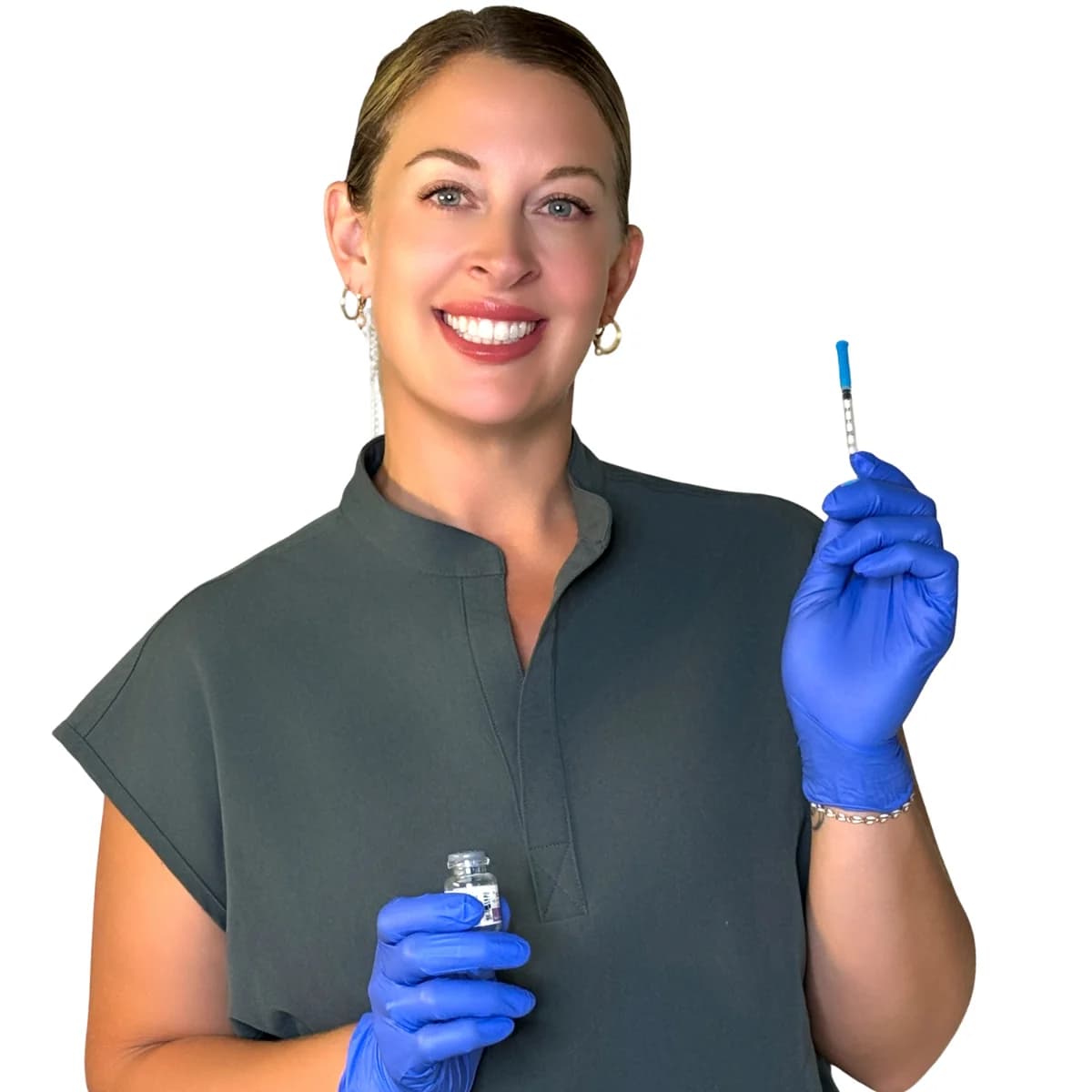
BScPN, RPN · Certified Aesthetic Nurse Injector
Registered Psychiatric Nurse & Certified Aesthetic Nurse Injector
With over 18 years of nursing experience, Jamie Graves blends compassion, skill, and a holistic approach to care. Specializing in aesthetic nursing, she provides neuromodulators, dermal fillers, IV therapy, and PRP treatments at Parsa Wellness Clinic. A devoted wife, mother of two, and fitness enthusiast, Jamie is passionate about helping clients feel confident, radiant, and empowered through results that reflect both artistry and medical precision.
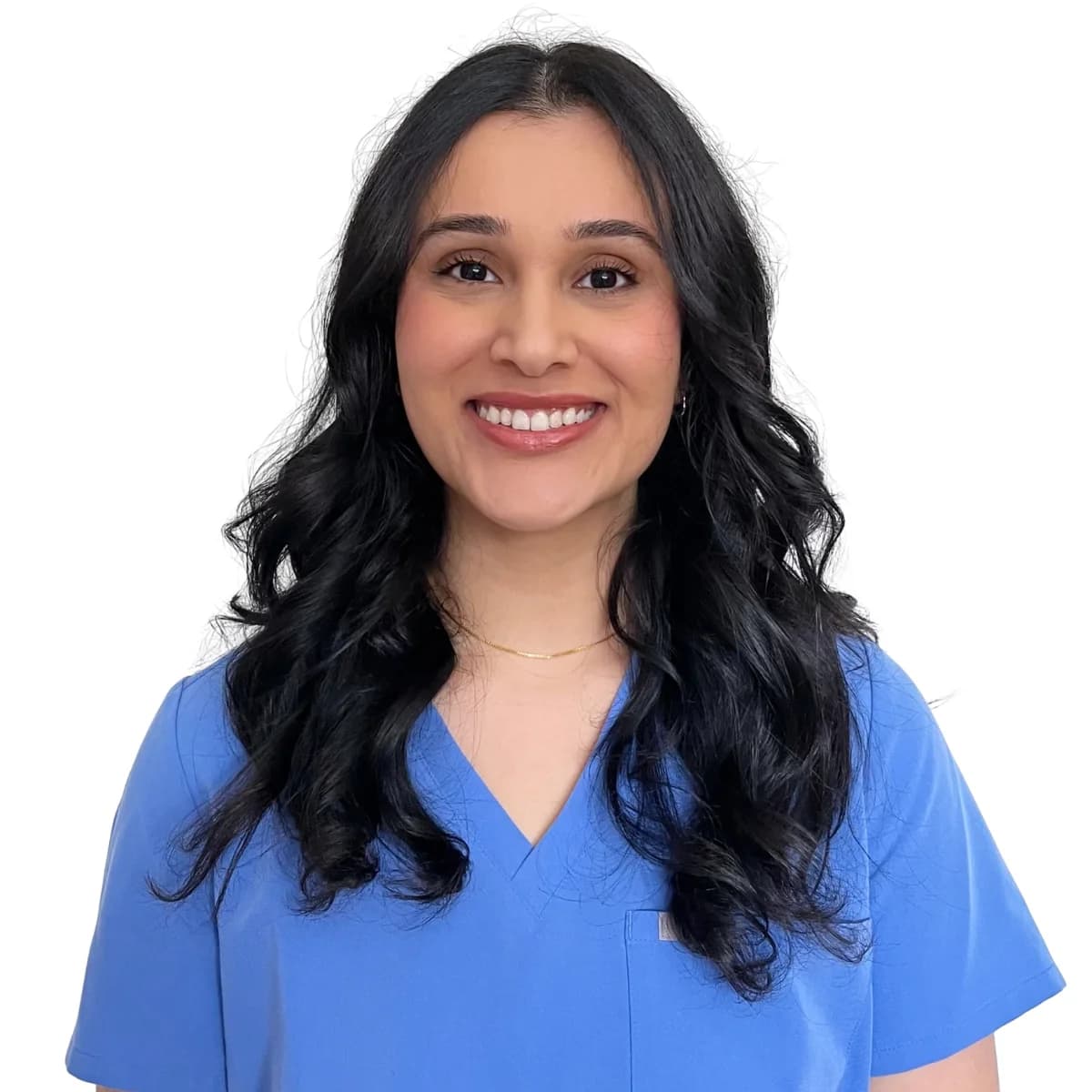
Registered Nurse (RN) · Certified Nurse Injector
Prabh is a nurse with a background in the Neonatal Intensive Care Unit (NICU), where she developed strong clinical precision, attention to detail, and a compassionate approach to patient care. She is now expanding into aesthetic nursing and cosmetic injectables. At Parsa Wellness Clinic, Prabh provides neuromodulator and dermal filler treatments, working closely with clients to help them feel confident and supported throughout their aesthetic journey.
Explore other services in Cosmetic Injectables. A provider can help you understand which options may be appropriate for your concerns and goals.
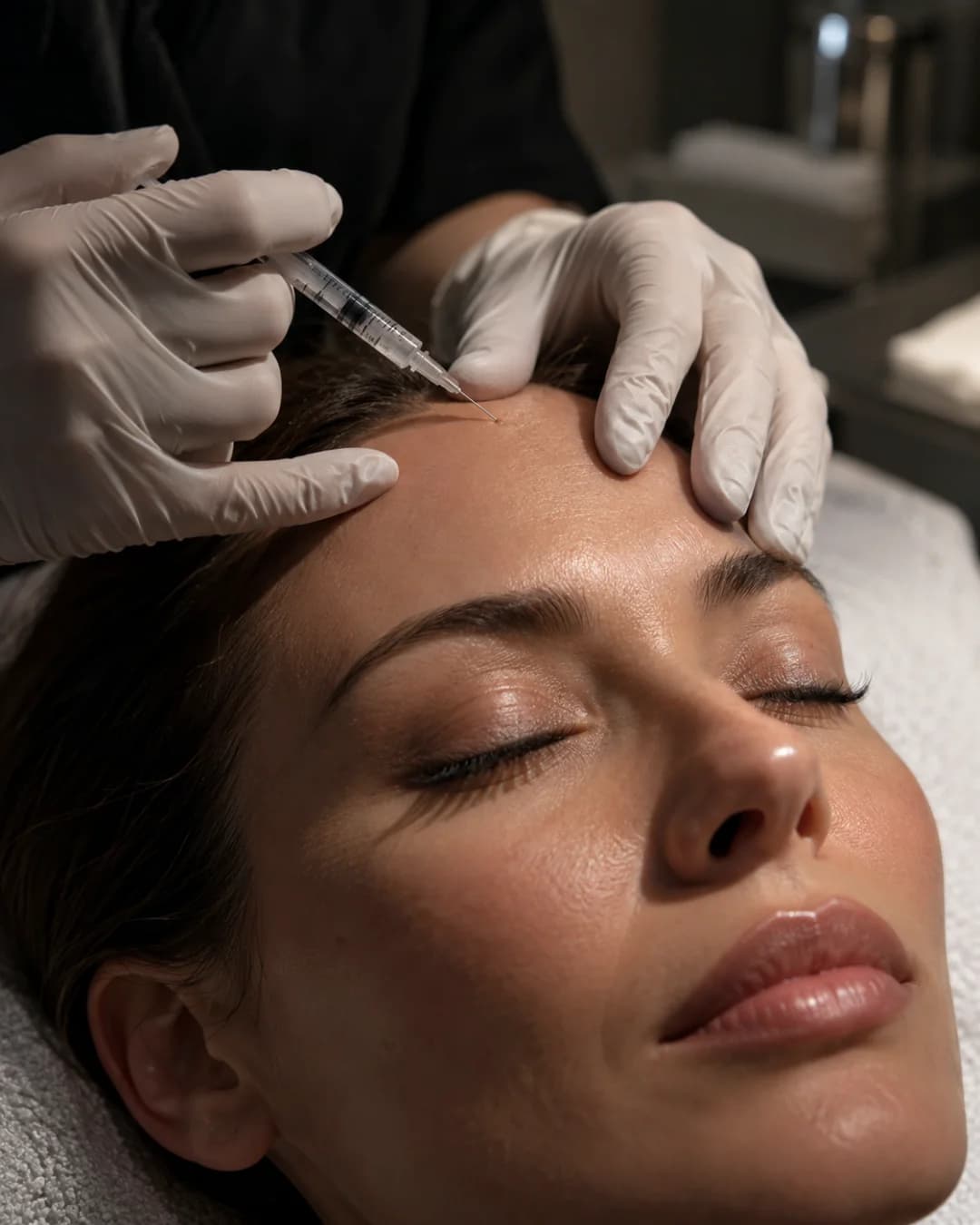
Physician-directed cosmetic neuromodulator injections may soften forehead lines, frown lines, and crow’s feet while supporting natural facial movement.

Enhance lip volume, definition, and symmetry with hyaluronic acid dermal fillers. This customizable injectable treatment restores fullness, refines lip contours, and improves proportions while maintaining natural-looking results tailored to your individual facial features.

Stimulate your skin’s natural collagen production with Sculptra, an injectable biostimulator containing poly-L-lactic acid. This gradual treatment addresses facial volume loss, improves skin firmness, and supports longer-lasting rejuvenation through progressive collagen restoration over time.
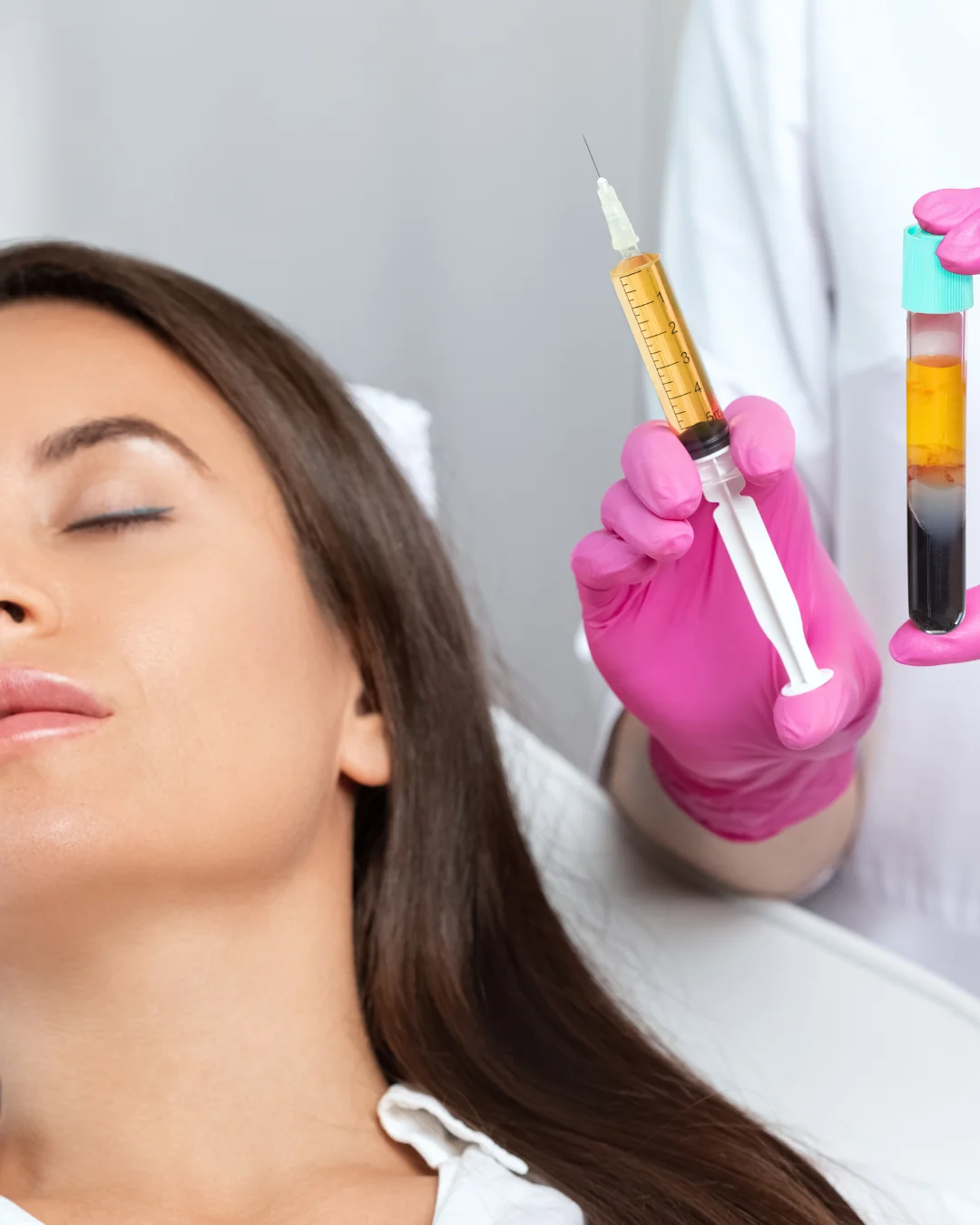
Support skin rejuvenation and hair restoration with platelet-rich plasma derived from your own blood. PRP injections deliver concentrated platelets and growth factors to targeted areas, potentially improving skin appearance and supporting healthier hair growth.
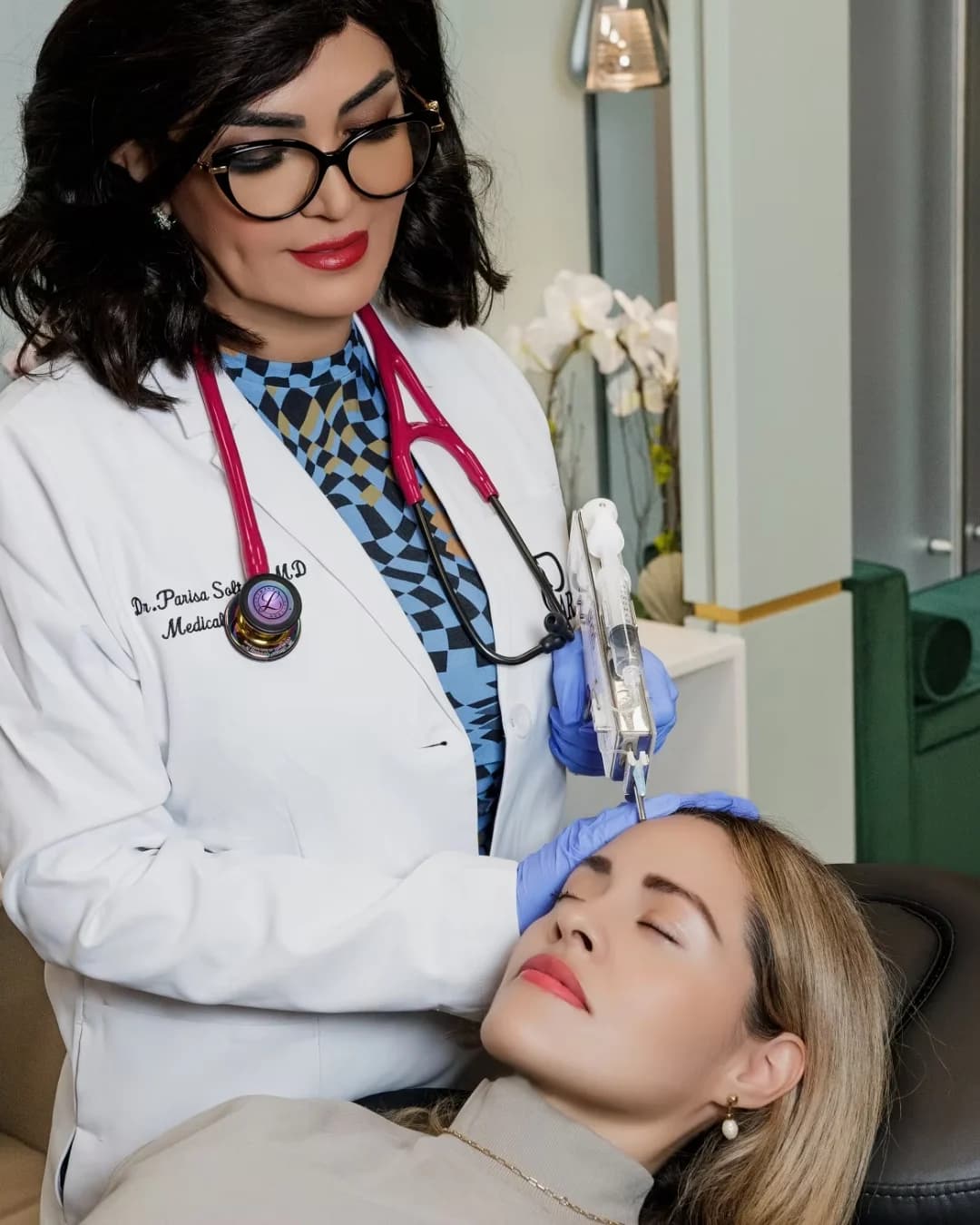
Revitalize facial skin and address selected scalp concerns with customized mesotherapy injections. This minimally invasive treatment delivers carefully selected formulations into superficial skin layers, supporting hydration and skin quality according to individual needs and assessment.
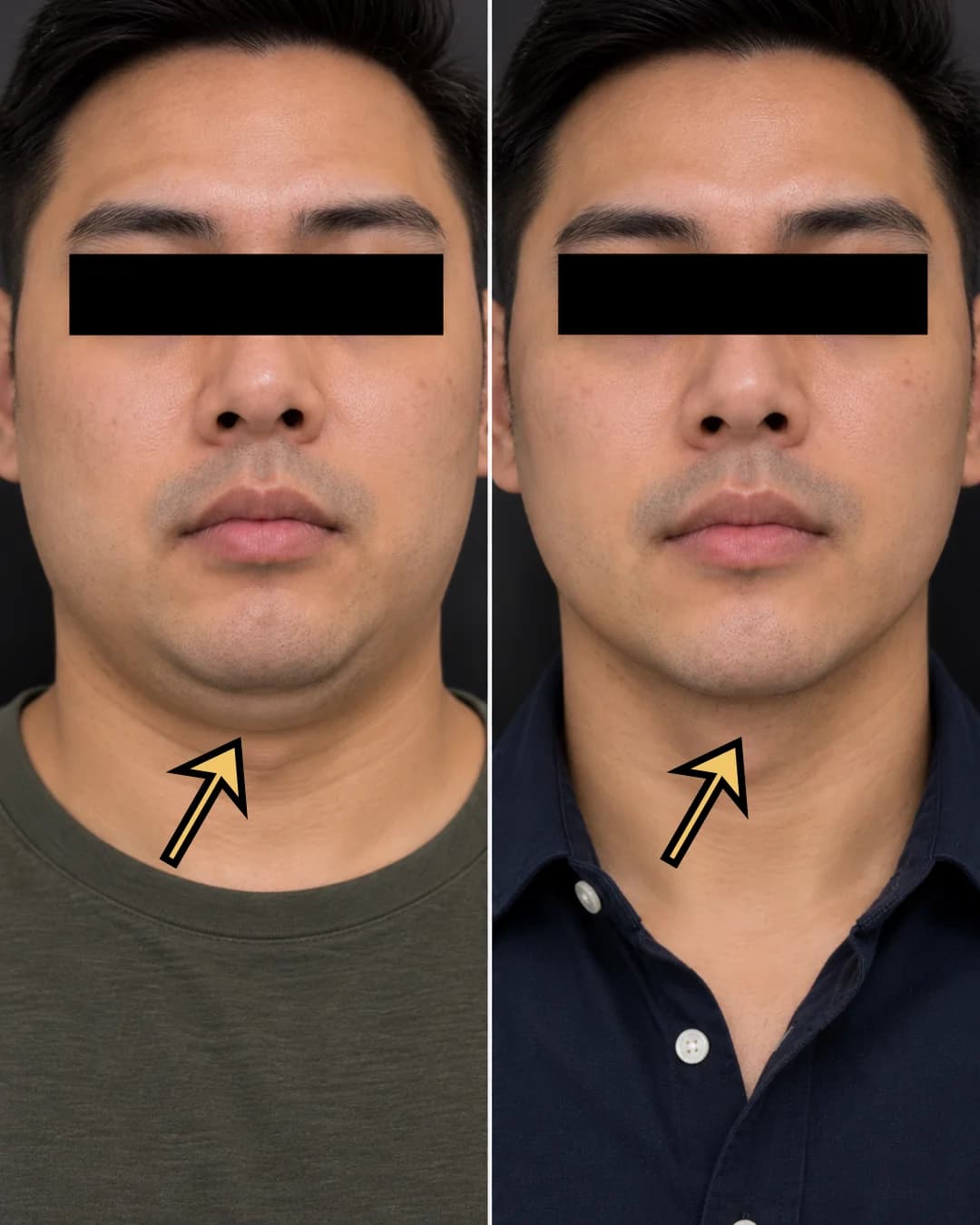
Reduce unwanted fullness beneath the chin with Belkyra, an injectable treatment containing deoxycholic acid. This nonsurgical procedure targets submental fat cells, gradually improving chin definition and creating a more contoured jawline without surgical liposuction.
Personalized Assessment · Natural Architecture
Discover personalized dermal filler treatments designed to restore volume, refine contours, and complement your natural features. Book a consultation with our clinical team in North Vancouver or Chilliwack.