Find your care

Popular searches
Book
02Physician-Led Care • North Vancouver & Chilliwack

PRP for Face & HairFor thinning hair, under-eye concerns & skin texture.

Platelet-rich plasma (PRP) uses concentrated platelets from your own blood to support the body's natural repair processes. PRP may help stimulate hair growth in suitable patients experiencing thinning hair and may improve certain aspects of facial skin quality, including texture and fine lines. At Parsa Wellness Clinic, our physician-led team provides personalized PRP assessments and treatments in North Vancouver and Chilliwack.

Duration

Around 60 Minutes

Clinics

North Vancouver & Chilliwack

Prepared from Your Own BloodPersonalized Treatment PlanPhysician-Led Clinical Team
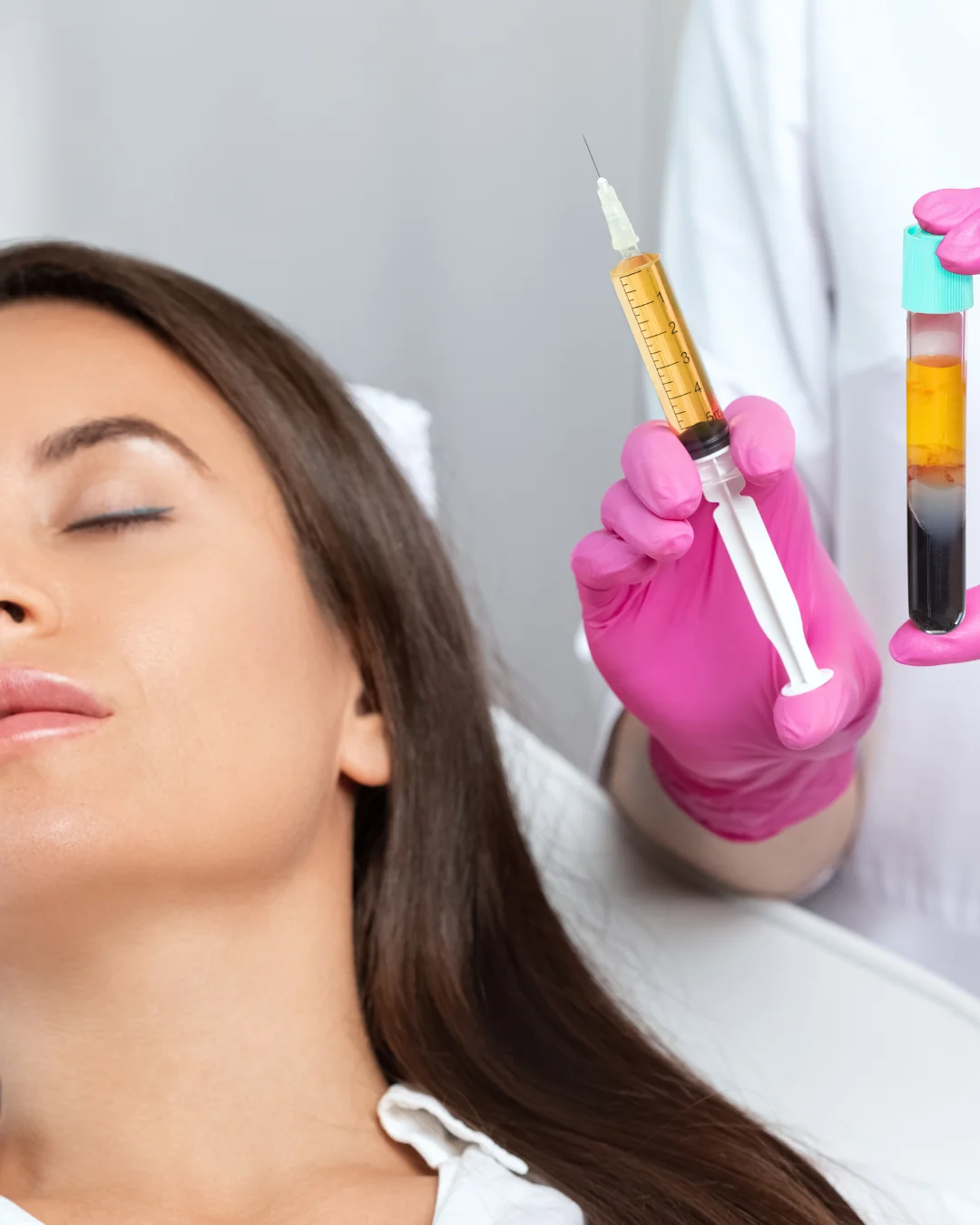
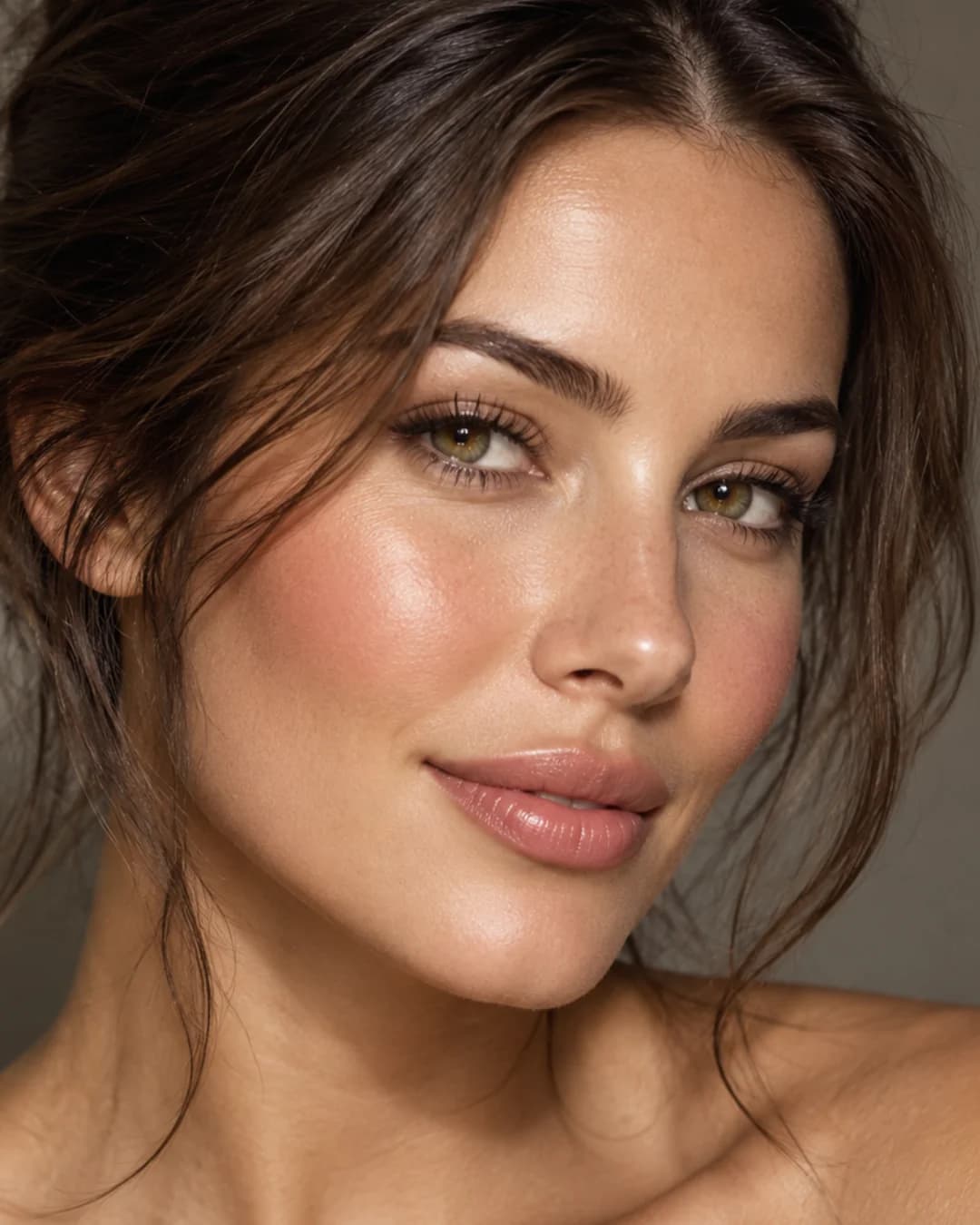
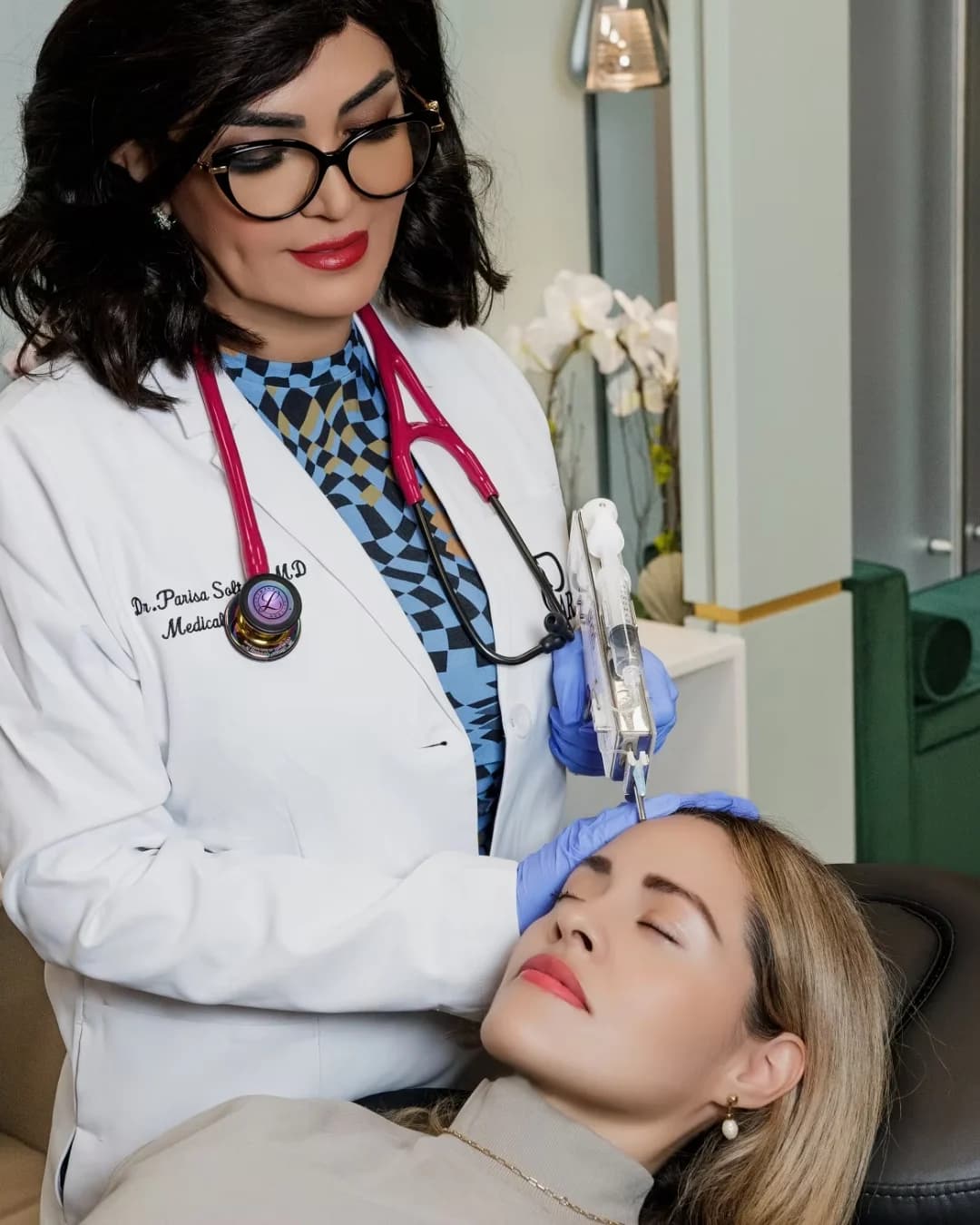
PRP face and hair treatment at Parsa Wellness Clinic

Session Duration

60 Minutes

Includes PRP preparation and treatment

Recommended Course

Personalized Series

Hair plans often start with 3–4 monthly visits

Treatment Sensation

Comfort Options Available

Some discomfort is possible

Recovery & Downtime

Varies by Treatment

Allow for tenderness, swelling or bruising

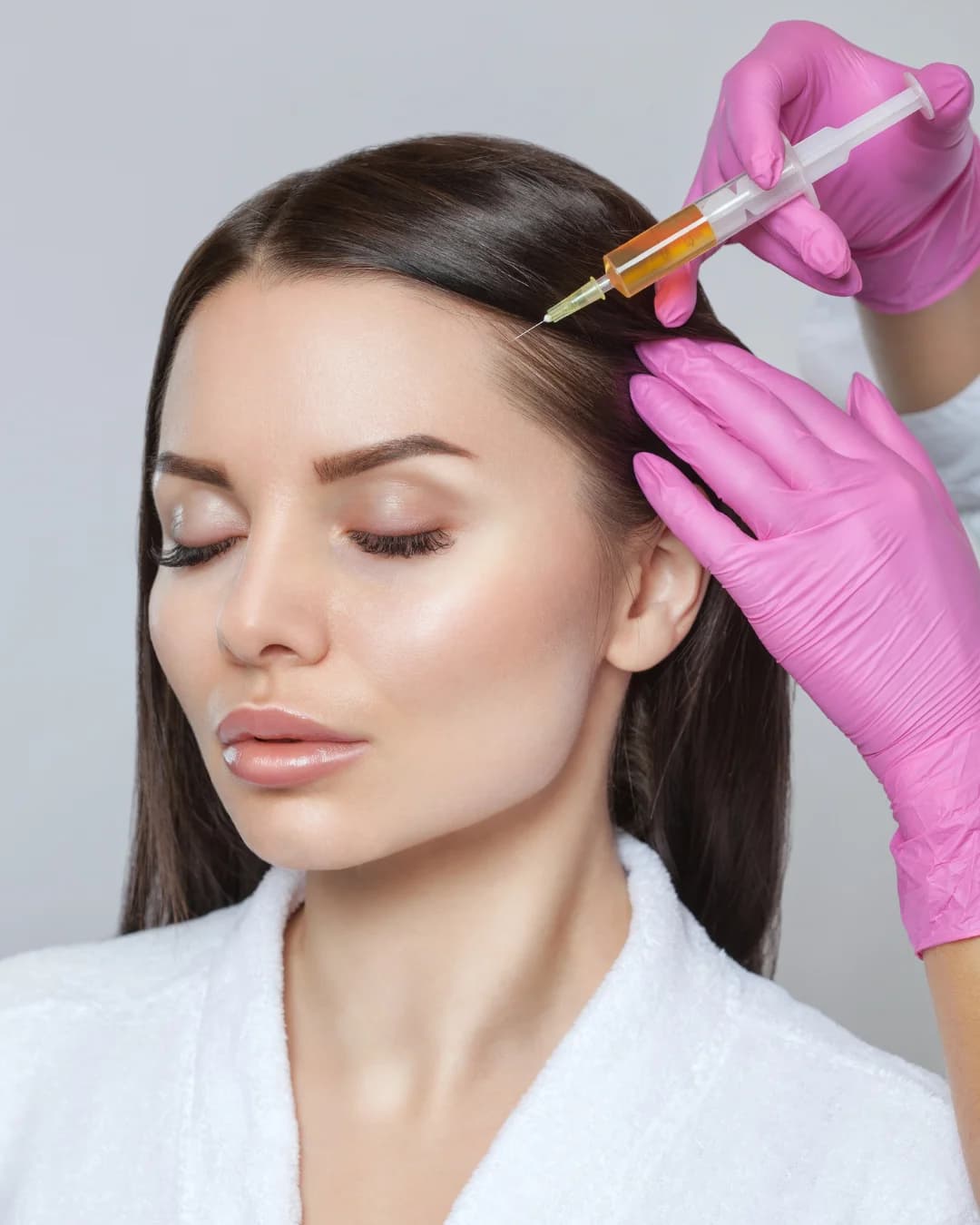
PRP hair restoration treatment

PRP for Hair Loss

A widening part, thinning crown or more visible scalp can affect how you feel about your hair. PRP may help some people with male or female pattern hair loss when hair follicles remain, but it is not a solution for complete baldness. Identifying the cause comes first; sudden shedding or scalp symptoms may need further medical assessment.

A starting plan often includes 3–4 monthly treatments, with progress reviewed over several months. Results vary, and maintenance may be needed. Our team can discuss PRP alongside other hair-loss options.

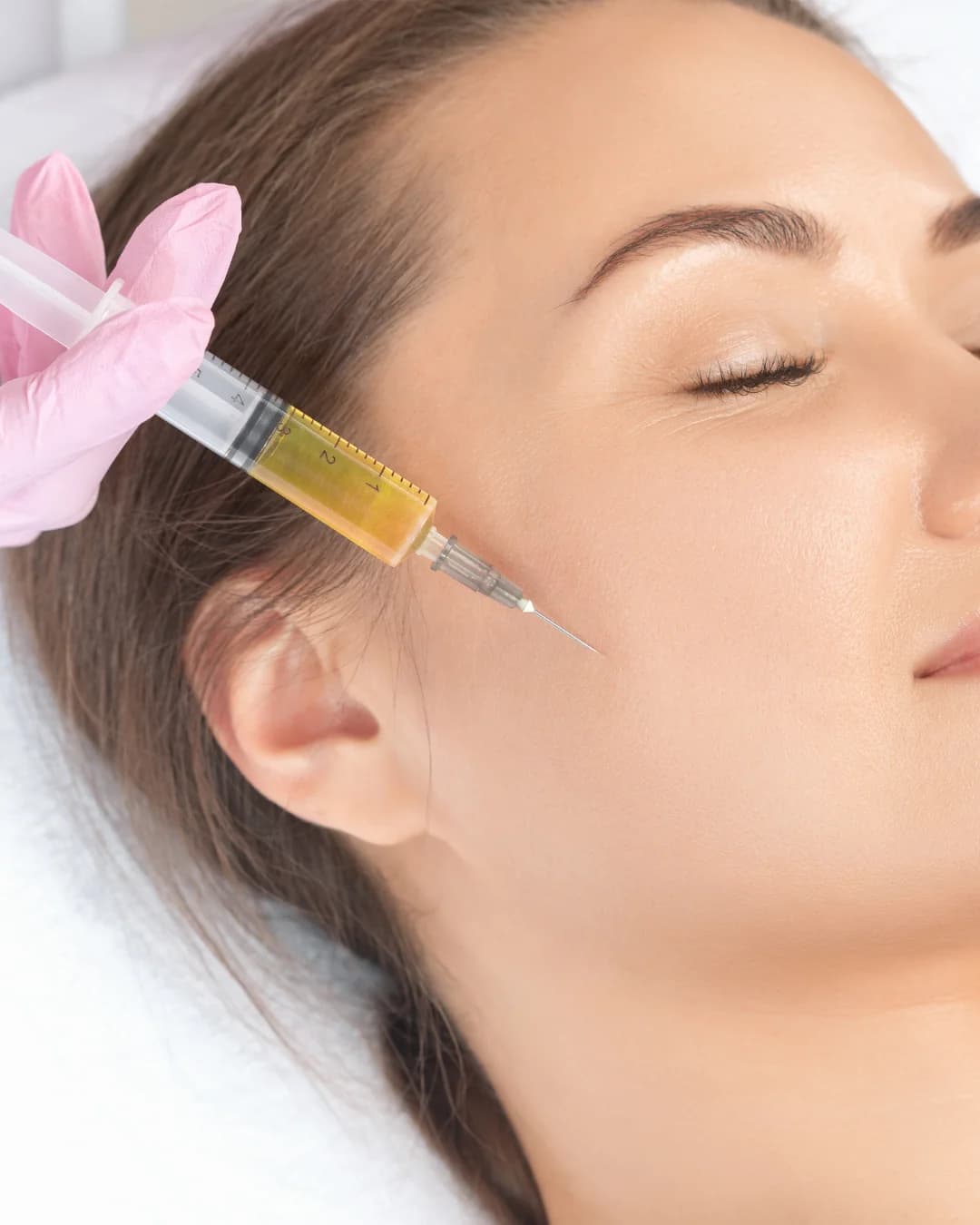
PRP for Facial Rejuvenation

If your under-eyes look tired or you are noticing fine lines and uneven texture, PRP may be one option to discuss. It may support changes in skin quality, but evidence is limited and it does not reliably correct pigmentation, puffiness or deeper hollows.

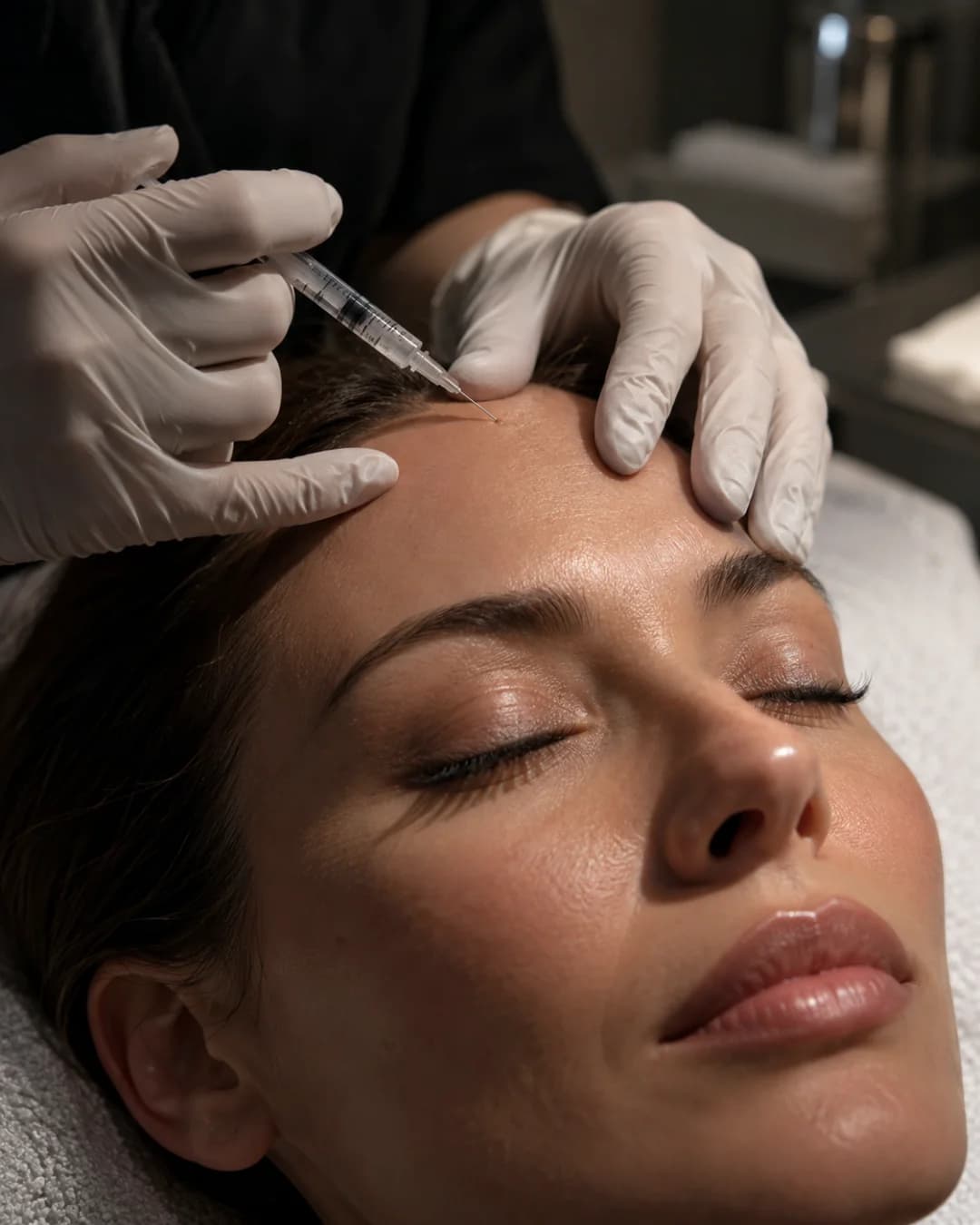
Facial PRP injections and PRP with microneedling are different treatments. Your clinician explains the recommended approach, number of sessions and recovery. Changes are gradual, and bruising or swelling may affect plans for work or an event.

PRP facial rejuvenation treatment

Care built around your skin and hair goals.

Understand your options before starting treatment. We discuss suitability, expected progress, recovery and the recommended treatment plan so you can make an informed decision.

01

Physician-Led Care

Dr. Parisa Soltani, MD, FRCPC

Our clinical team works under physician-led direction. Your appointment confirms who will perform your treatment and the plan for your concerns.

02

Personalized Assessment

Face or Hair Goals

Every PRP treatment begins with an assessment of your skin or scalp concerns, medical history and goals. Our team considers whether PRP is appropriate and discusses alternatives when needed.

03

Clear Expectations

Benefits & Limitations

Results vary with the concern being treated and your individual response. A series of appointments and ongoing maintenance may be recommended.

04

Local Follow-Up

North Vancouver & Chilliwack

Discuss your questions, recovery and follow-up with our team. We explain how progress can be assessed over time.

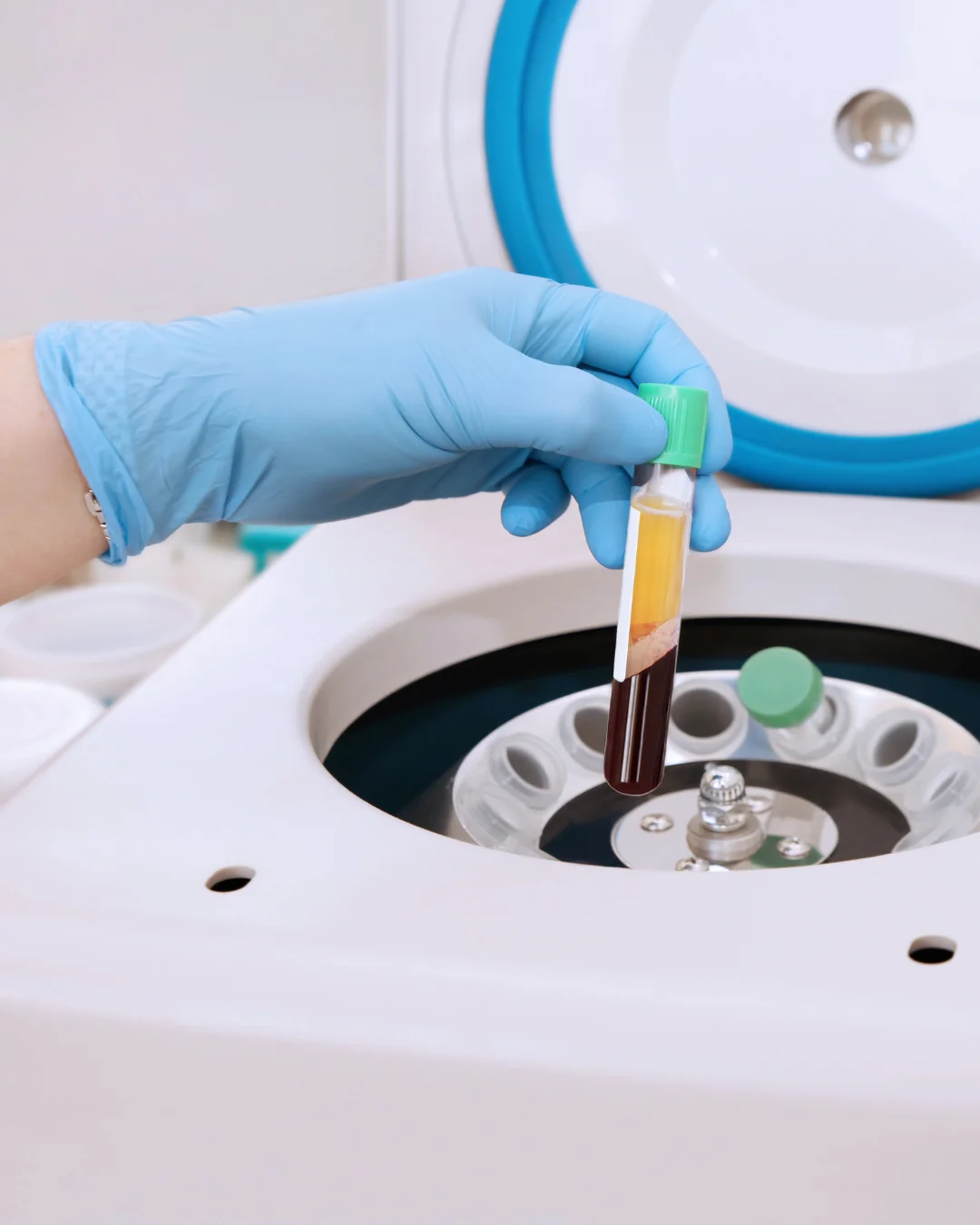
Centrifuge used to prepare platelet-rich plasma for PRP treatment

What Is PRP?

Your blood, separated into platelets.

PRP stands for platelet-rich plasma. A small blood sample is placed in a centrifuge, which spins it to separate the platelets and plasma from other blood components. Platelets release growth factors involved in the body's repair process. The platelet-rich portion is then prepared for your treatment. Depending on your plan, it may be injected into the skin or scalp, or used with microneedling.

  1. 01

    1. Blood sample

    We take a small sample from your arm.

  2. 02

    2. Separation

    Spinning the sample separates the platelets and plasma from other blood components.

  3. 03

    3. Treatment

    PRP may be injected or used with microneedling, depending on your treatment plan.

Skin & Hair Concerns

Concerns PRP May Help Address

Different concerns need different approaches. These are areas you can discuss at an assessment; treatment is only recommended when suitable.

Under-Eye Skin & Fine Lines

Thin skin and fine lines can make under-eyes look tired. PRP may be considered for skin quality, but pigment, puffiness and deeper hollows may need a different approach.

Plan: Discuss a personalized series

Thinning Hair & Pattern Hair Loss

Noticing a more visible scalp, thinning crown or wider part? PRP may support hair growth in suitable patients with pattern hair loss. An assessment helps identify the cause first.

Plan: Often 3–4 monthly sessions

Facial Skin Texture & Fine Lines

PRP may be considered for changes in skin texture and fine lines. Facial rejuvenation evidence is limited, and improvement is gradual and variable.

Plan: Discuss a personalized series

Acne Scars & Uneven Texture

Acne scars vary in depth and type. PRP may be discussed alongside other treatments, but it should not be expected to erase scars.

Plan: Assessment before treatment

PRP Comparisons for Face & Hair

The right comparison depends on your concern. Choose face or hair to see how PRP differs from another option commonly discussed for that treatment area.

Facial PRP or HA Fillers

Facial PRP or HA Fillers
Your questionPlatelet-Rich Plasma (PRP)Hyaluronic Acid (HA) Fillers
How it worksA sample of your blood is processed to separate platelet-rich plasma. It may be injected or used with microneedling, depending on the treatment plan.An injectable gel made with hyaluronic acid is placed in selected areas to add volume or definition.
Main treatment goalMay be considered for skin quality and fine lines. Evidence for facial rejuvenation is limited, and results vary.Designed to add volume or contour. It does not improve every skin texture or pigmentation concern.
Under-eye concernsMay be considered for skin quality, but it does not reliably correct pigmentation, puffiness, or deeper hollows.May suit selected hollows after careful assessment. It is not appropriate for every under-eye concern.
Results and visitsChanges are gradual and may require a series of treatments. Maintenance may be discussed.Volume changes may be visible sooner. How long results last varies by product, area, and individual.
Risks to discussTenderness, bruising, redness, and swelling can occur. Infection is possible, so sterile preparation is important.Swelling, bruising, and lumps can occur. Rare but serious blood-vessel complications are possible.

Your treatment plan: PRP and fillers address different concerns. Your clinician can help determine whether skin quality, volume, or another approach best matches your goals.

The Treatment Journey • What to Expect

What to Expect at Your PRP Appointment

From assessment to follow-up, your clinician explains each step and provides instructions suited to your treatment.

01
Assessment

Discuss Your Skin or Hair Concerns

Your clinician reviews your goals, medical history and medications, examines the area, and discusses suitability, alternatives and risks.

02
PRP Preparation

Blood Draw & Platelet Separation

A small sample of your blood is drawn and processed in a centrifuge to prepare platelet-rich plasma using a sterile protocol.

03
Treatment

Treatment & Comfort Measures

PRP is delivered to the agreed treatment area. Your clinician explains the injection or microneedling technique and comfort options; some discomfort is possible.

04
Follow-Up

Review Your Response

Changes take time and are not guaranteed. Follow-up helps assess your response and whether further sessions, maintenance or a different treatment may be useful.

Planning Your Treatment

Know Your Plan Before You Start

Ask how many sessions are recommended, what changes are realistic, how progress will be assessed and what the recommended plan involves. Your clinician will also explain alternatives if PRP is unlikely to address your concern.

Request an Appointment

Before You Decide

What to Know Before PRP Treatment

Results vary. Consider potential benefits, suitability and risks with your clinician before choosing treatment.

01

What results can you expect?

Hair growth changes can take months, and some people see little improvement. Evidence for facial rejuvenation is more limited.

PRP is not guaranteed to regrow hair or remove scars, and it does not restore lost facial volume.

02

Is PRP right for you?

Your clinician reviews your health, medications, concern and goals. For hair loss, identifying the cause helps determine whether PRP or another option may be appropriate.

You can discuss alternatives and take time to decide.

Have questions about PRP? Read the frequently asked questions.

Safety & Recovery

Before & After Your PRP Treatment

Your clinician provides preparation and aftercare instructions based on your medical history and the technique used. The guidance below does not replace your individual plan.

Part 01

Preparing for Treatment

Before Your Appointment
01

Review Medications with Your Clinician

Tell the team about aspirin, blood thinners, ibuprofen and all other medicines or supplements. Do not stop prescribed medication without speaking with your prescribing clinician. Ask for individual preparation advice.

02

Stay Normally Hydrated

Drink fluids as you normally would and follow your clinician's advice. If you have a medical fluid restriction, continue to follow it.

03

Ask How to Prepare Your Skin or Scalp

Ask the team when to wash your hair or face and whether to avoid makeup or styling products before your appointment. Instructions may differ for injections and microneedling.

Part 02

After Your PRP Treatment

After Your Appointment
01

Follow Your Washing & Skincare Plan

Follow the instructions provided for cleansing, touching the area, makeup and hair washing. Contact the clinic if you are unsure which products or activities are suitable.

02

Ask About Pain Relief

If you have soreness, ask your clinician which pain relief is appropriate for your medical history and medicines. Do not change prescribed medication on your own.

03

Plan Your Return to Activities

Your clinician will advise when to resume exercise, swimming and heat exposure. Seek medical advice for worsening redness, swelling, pain, fever or other concerning symptoms.

Other Treatment Options

Treatments That May Complement PRP

Depending on your skin concerns and aesthetic goals, your clinician may recommend PRP or discuss other treatments that address different aspects of facial rejuvenation. Each treatment works differently, and combination approaches are considered only when clinically appropriate.

Pairing 01Texture & Pores

PRP + Medical Microneedling

The 'Vampire Facial'

Microneedling creates small channels in the skin and may be paired with PRP for texture concerns. Results vary; this combination does not guarantee smaller pores or removal of acne scars.

Pairing 02Facial Volume & Skin Quality

PRP + Sculptra® Biostimulator

Gradual Collagen Support

Sculptra is used to support gradual collagen production in selected facial areas. PRP may be discussed separately for skin quality. Your clinician explains the evidence, risks and treatment spacing.

Discuss Treatment OptionsSculptra® PLLA
Pairing 03Facial Volume & Skin Quality

PRP + Dermal Fillers

Contour + Delicate Smoothing

Dermal fillers may address selected volume concerns, while PRP may be considered for skin quality. Under-eye treatment requires careful assessment, and both approaches have limitations and risks.

Facial VolumeDermal Fillers

Common Inquiries

Frequently asked questions about PRP

Answers about suitability, results, discomfort and recovery for face and hair treatments.

Hair loss or under-eye dark circles?

Discuss your skin or hair concerns with our clinical team and find out whether PRP is suitable for you.

Contact Our Clinic

Platelet-rich plasma (PRP) is prepared by drawing a small blood sample and separating it in a centrifuge. The platelets release growth factors involved in tissue repair. PRP may support hair growth or changes in skin quality in selected patients, but results are not guaranteed.

PRP may be considered for some people with male or female pattern hair loss. A thinning crown or widening part should be assessed to identify the cause. Sudden shedding, postpartum changes and scalp inflammation may need a different approach. Your clinician will explain whether PRP or another treatment is more appropriate.

PRP may be considered for thin skin and fine lines under the eyes, but dark circles can also come from pigmentation, anatomy or other causes. It does not reliably replace lost volume or correct every hollow. Your assessment will cover realistic expectations and alternatives.

Hair treatment often begins with 3 to 4 monthly sessions, with progress assessed over several months. Facial treatment schedules depend on the concern and your response. Changes are gradual, some patients see little benefit, and maintenance may be recommended. Your clinician will explain the proposed schedule before treatment.

The duration of PRP results varies depending on the treatment area, underlying concern and individual response. Hair restoration may require maintenance sessions to help sustain improvements, while facial treatment outcomes are less predictable. Your clinician will discuss expected timelines and whether ongoing treatment may be appropriate.

Tell your clinician about all prescribed medicines, over-the-counter products and supplements. Some medicines can affect platelet function or bruising, so preparation advice must be individualized. Do not stop prescribed aspirin, blood thinners or any other prescribed medication without speaking with your prescribing clinician.

The blood draw and treatment can cause discomfort. Numbing or other comfort measures may be offered depending on the area. Temporary tenderness, bruising, swelling and redness can occur, and infection is possible. Using your own blood does not make PRP risk-free. Your clinician will discuss risks and suitability before treatment.

Recovery depends on the area and technique. Tenderness, redness, bruising or swelling may last a few days; visible facial bruising can last longer. Ask about timing if you have an event planned. Follow your individual instructions for washing, skincare, exercise and returning to your usual activities.

PRP injections place plasma into selected facial or scalp areas. A PRP microneedling treatment uses a microneedling device with PRP for skin concerns and is sometimes called a vampire facial. The treatment goals and recovery can differ. Combining treatments is only recommended when appropriate for your assessment.

PRP is not suitable for everyone. Your clinician reviews platelet or blood conditions, active infection, other medical conditions and medications before recommending care. Tell the team if you are pregnant or breastfeeding, or have new or unexplained hair loss, so your assessment and advice can be tailored to you.

Physician Leadership & Certified Nurse Injectors

Meet Your PRP Providers

Meet our physician-led clinical team and aesthetic nurse injectors. Ask who will perform your treatment and discuss their approach at your assessment.

Dr. Parisa Soltani, MD, FRCPC, Founder & Medical Director of Parsa Wellness Clinic

Dr. Parisa Soltani

MD, FRCPC, GC Pain

Double Board Certified Anesthesiologist · Pain Practitioner · Master Injector · Co-Founder & Medical Director

North Vancouver · Chilliwack

With over 20 years of experience, Dr. Parisa Soltani is a respected Pain Management Practitioner and the Founder of Parsa Wellness Clinic. She created the Turn Pain Into Power program to deliver comprehensive, patient-centered care for chronic pain. Dr. Soltani’s approach integrates medical treatments, restorative therapies, and holistic strategies to address pain in all its dimensions. Her dedication helps patients overcome limitations, regain control, and rediscover quality of life.

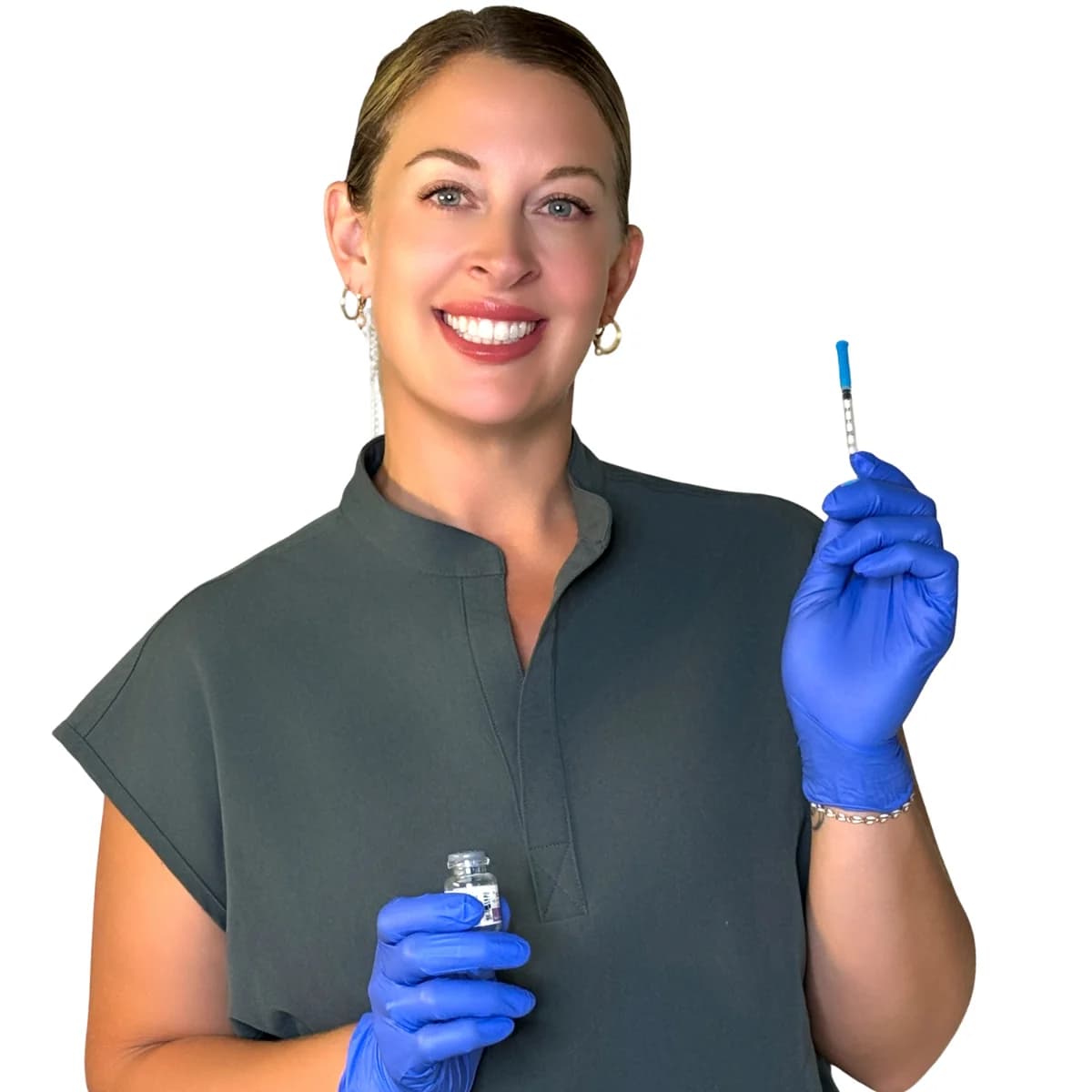
Jamie Graves

Jamie Graves

BScPN, RPN · Certified Aesthetic Nurse Injector

Registered Psychiatric Nurse & Certified Aesthetic Nurse Injector

Chilliwack

With over 18 years of nursing experience, Jamie Graves blends compassion, skill, and a holistic approach to care. Specializing in aesthetic nursing, she provides neuromodulators, dermal fillers, IV therapy, and PRP treatments at Parsa Wellness Clinic. A devoted wife, mother of two, and fitness enthusiast, Jamie is passionate about helping clients feel confident, radiant, and empowered through results that reflect both artistry and medical precision.

Personalized Assessment

Ready to discuss your skin or hair concerns?

Book a personalized assessment at our North Vancouver or Chilliwack clinic. We will discuss your concerns, treatment options, realistic expectations and next steps.